The long-term market is flat, and print unit sales appear to have stalled
At BookExpo 2019, as usual, the most data-filled sessions came from NPD BookScan, which tracks US print and ebook unit sales in the traditional publishing sector. For print, they track point-of-sale data at retailers, such as Barnes & Noble, Amazon, and independents. But for ebook sales, they rely on data provided by the publishing companies themselves. Keep that in mind as you consider the trends ahead.
So far in 2019, US book sales are down about 2 percent compared to 2018. David Walter, the executive director of client development at NPD, put that figure in context by saying that US retail sales growth had stagnated overall in the first quarter. Still, the long-term book retail market is extremely flat—and this isn’t expected to change.
The ebook market for traditional publishers has declined every year since 2014; the market has remained stable in part because of the growth of digital audiobooks—where revenue grew 37 percent year on year through November 2018. Walter said one of the key questions moving forward is whether audio would grow the digital market without cannibalizing existing formats. (Dominique Raccah, CEO of Sourcebooks, indicated during BEA’s opening keynote panel that cannibalization is not happening from where she sits: more formats means more sales.)
One sales headline for 2018: the top 100 titles stole market share—or the big titles were bigger. In 2018, the top 100 bestselling titles (mostly new, frontlist titles) sold 23 percent more than the top 100 titles in 2017. Further, Walter said that sales of the top 10 titles in 2018 hadn’t reached such levels since 2012. Yet, in something of a counterpoint, Walter added that in 2018 overall, buyers bought more books published before 2000 than books published in 2017 and 2018. (Sorry to all those authors published between 2000 and 2016!)
While nonfiction is still performing better than fiction, political book sales are down. During the first quarter of 2019, political book sales declined 28 percent compared to last year. But it’s not for lack of new titles; title output is up 16 percent. In another session that day, at New York Rights Fair, editors and agents discussed how they’re becoming far more critical when acquiring political titles; at this point readers feel like they’ve heard it all and very little is shocking. (For confirmation of this trend, see Michael Wolff’s latest book, Siege—not flying off the shelves like the first.)
For traditional publishers of fiction, growth is coming from suspense/thrillers, up 1 percent in 2018. Patterson dominates this category, with five of his titles in the top 10. Fantasy sales are up 1 percent, with growth on the literary end of fantasy. (Marlon James’s Black Leopard, Red Wolf is the top fantasy title in the first quarter.) Notable: over half of adult fiction sales for traditional publishers remain in print formats.
The top YA growth categories in 2019 are in nonfiction—history, sports, people, and places. The biggest YA decline was in general fiction, but the top fiction category is now science fiction / magic—a rebound after a significant decline for that category in 2017. As a whole, the YA category is marginally positive, by .2 percent.
Bottom line: Walter summarized his presentation by saying that after six years of growth, the print market for traditional publishers has started to decline—while ebooks continue to see attrition. High-profile titles drove growth in 2018, while backlist gained market share, thus squeezing the midlist. Political fatigue is setting in, but lifestyle themes (e.g., Marie Kondo) remain strong. Walter said that a cross-media presence is increasingly important to break through in a crowded landscape—and this is particularly true in the children’s market. See our separate item covering those numbers.
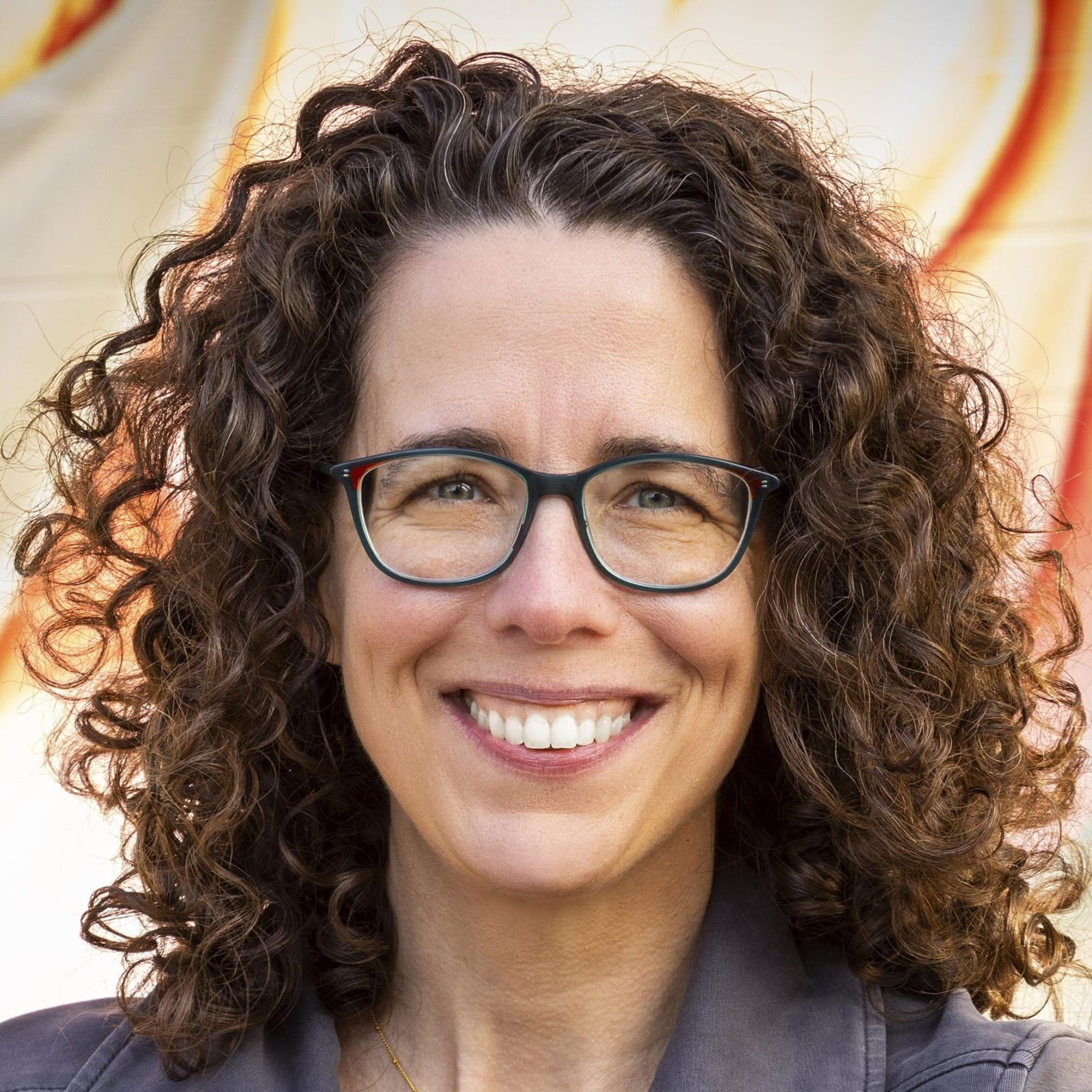
Jane Friedman has spent her entire career working in the publishing industry, with a focus on business reporting and author education. Established in 2015, her newsletter The Bottom Line provides nuanced market intelligence to thousands of authors and industry professionals; in 2023, she was named Publishing Commentator of the Year by Digital Book World.
Jane’s expertise regularly features in major media outlets such as The New York Times, The Atlantic, NPR, The Today Show, Wired, The Guardian, Fox News, and BBC. Her book, The Business of Being a Writer, Second Edition (The University of Chicago Press), is used as a classroom text by many writing and publishing degree programs. She reaches thousands through speaking engagements and workshops at diverse venues worldwide, including NYU’s Advanced Publishing Institute, Frankfurt Book Fair, and numerous MFA programs.