The pandemic saw record growth in print book sales as well as solid performance for brick-and-mortar bookstores of all kinds. Some brave souls who decided to open a bookstore during the pandemic recently convened to discuss how business is going now that their doors are open without pandemic restrictions. The panel was hosted and moderated by BookNet Canada in late January. Participants included Stacy Batchelor (Fable Book Parlour), Kerri Doyle (Books & Shenanigans), Meghan Desjardins (River Bookshop), and Tim Middleton and Lauren Stewart of BookNet Canada.
All booksellers said their sales have increased against last year. Even better, they’re seeing growth even though the stores are less busy and hectic. That’s mainly because they don’t have to manage as many pandemic-related problems, like limiting the number of people who can come into the store, fulfilling orders in myriad ways, or dealing with stock-related challenges. Also, Desjardins noted that people are better able to discover the store in person while walking by or being out and about more often. That increased foot traffic of course helps with sales.
The return of book fairs and in-person meetings has been helpful to business as well. During the pandemic, publishers’ sales reps weren’t able to visit the stores, which created a disconnect in terms of book recommendations. So the booksellers have enjoyed being able to get out to book fairs, meet reps, and build relationships to help them better stock their stores. Batchelor described it as “hugely eye opening,” not just to network with other booksellers, but also “to find out what the reps can do for us”—things like advertising support and getting hand-picked selections geared to the store’s location and customer base.
All of the booksellers value and emphasize their role in their communities. Doyle runs six book clubs a month, each limited to 12 people, where she chooses the books. They are so popular she has a 50-person waitlist. “The community is screaming for this kind of connection,” she said. She described the book club members as her best customers and evangelists for the store. “You can buy a book anywhere, but can you come and talk about the book with this group of great people? Not so much,” she said. Desjardins said one of her goals for her store is to be that “third place” for people (after work and home), and now they can finally put that into action with pandemic restrictions lifted.
As far as pandemic initiatives the stores plan to keep, moving forward: Batchelor will continue to offer customers the ability to make a purchase through the bookstore’s website but will make them come into the store to pay and pick up. “We want people to come in, we want to talk to them, we want them to see the space”—and potentially purchase something they wouldn’t have, otherwise. Others echoed the importance of that in-person interaction to provide the value and community that’s part of their mission. Doyle said, “I have a bookstore because I want to talk to people in the bookstore.”
The booksellers’ most important marketing tool is generally the email newsletter, followed by social media. Batchelor said she will continue to be active on social media, but her focus is really on email and making sure her website is up to date. Batchelor said she has yet to really engage on BookTok, but she has some loyal customers who use it for book recommendations. When she designs Instagram Reels and Stories, she admits some of that inspiration comes straight from BookTok.
Bottom line: The overall spirit of the panel was positive and focused on how the stores can better serve their customers and community during a period of growth. So far none of the stores have noticed a marked difference in customer behavior due to inflation or pricing.
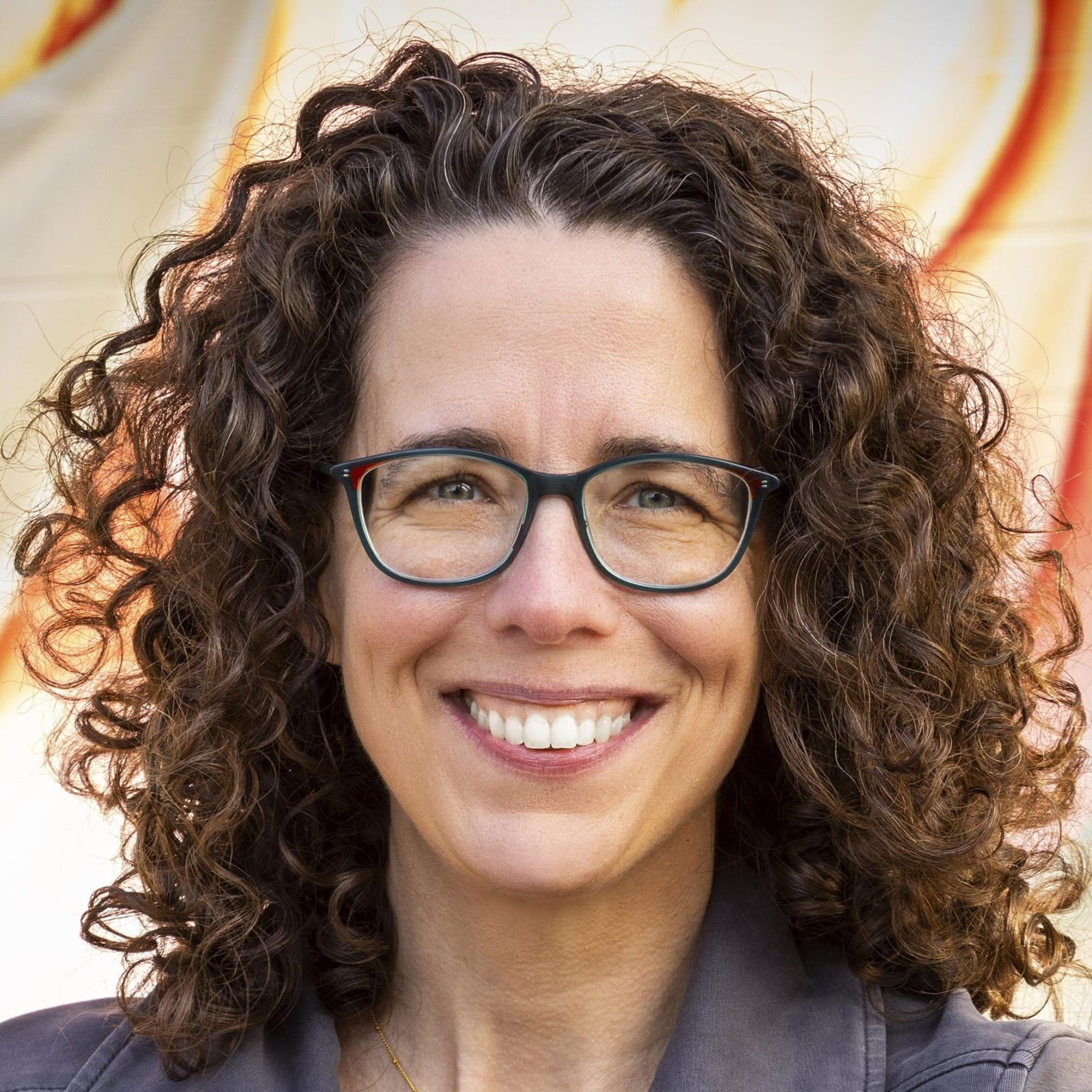
Jane Friedman has spent her entire career working in the publishing industry, with a focus on business reporting and author education. Established in 2015, her newsletter The Bottom Line provides nuanced market intelligence to thousands of authors and industry professionals; in 2023, she was named Publishing Commentator of the Year by Digital Book World.
Jane’s expertise regularly features in major media outlets such as The New York Times, The Atlantic, NPR, The Today Show, Wired, The Guardian, Fox News, and BBC. Her book, The Business of Being a Writer, Second Edition (The University of Chicago Press), is used as a classroom text by many writing and publishing degree programs. She reaches thousands through speaking engagements and workshops at diverse venues worldwide, including NYU’s Advanced Publishing Institute, Frankfurt Book Fair, and numerous MFA programs.