
Marketing Toolbox
- An indie author offers a very detailed history of her Goodreads book giveaways and concludes that it’s best to only give away one or two books at a time, since it’s cheaper that way but offers the same visibility. Read J.M. Ney-Grimm’s post.
- Trying to improve your Facebook marketing? Here are five excellent ways to recover your organic reach, from Search Engine Journal. Also, take a look at this in-depth guide from Hootsuite on the Facebook algorithm.
- Goodreads has refined its ad targeting. They now offer a selection of 500 genres and 20,000 authors to increase advertisers’ targeting precision. Find out more.
Traditional Publishing
- The American Association of Publishers’ latest figures for the first quarter of 2016: print barely up, digital down a lot. Michael Cader at Publishers Lunch describes the new report as showing print book sales up very slightly—but down if you factor in returns—while adult ebook sales declined 19 percent.
- Trying to figure out the email address of someone in traditional publishing? Publishing Trends has released their annual contact sheet, which includes publishers, distributors, retail platforms, and more. Download.
- Bestselling author Rick Riordan now has his own imprint, called Rick Riordan Presents, at his publisher, Disney-Hyperion. The new initiative will focus on mythology-based middle-grade books. Read more in Publishers Weekly.
- The Harlequin lawsuit has a happy ending for authors. Author Patricia McLinn writes extensively about the history of the case and its resolution. Read at her site.
In the News
- Sainsbury’s calls it quits on ebooks. Customers with ebook libraries from the UK’s major foodstore chain will be able to migrate those titles to Kobo. UK ebook retail is 90 percent dominated by Amazon. Waterstones exited digital in May, Nook left the UK market in March, and Tesco’s blinkbox folded in January 2015. More at the Bookseller.
- The National Magazine Awards has suspended the fiction category for 2017. Literary stalwarts such as the New Yorker were none too pleased, but it’s not a surprising move, considering most magazines that compete in the NMAs don’t publish fiction. Read more at WWD.
- Bestselling indie author Hugh Howey criticizes traditional publishers again. Given the latest Big Five earnings reports (which we covered here) and their continued ebook sales decline, his accusations have strong footing. Many people inside and outside the industry agree with at least a few of his key points, so Howey’s article is getting play in every corner.
In Your Spare Time
- How did literature develop? What forms has it taken? Those are the questions tackled by the History of Literature podcast. Learn more at Open Culture.
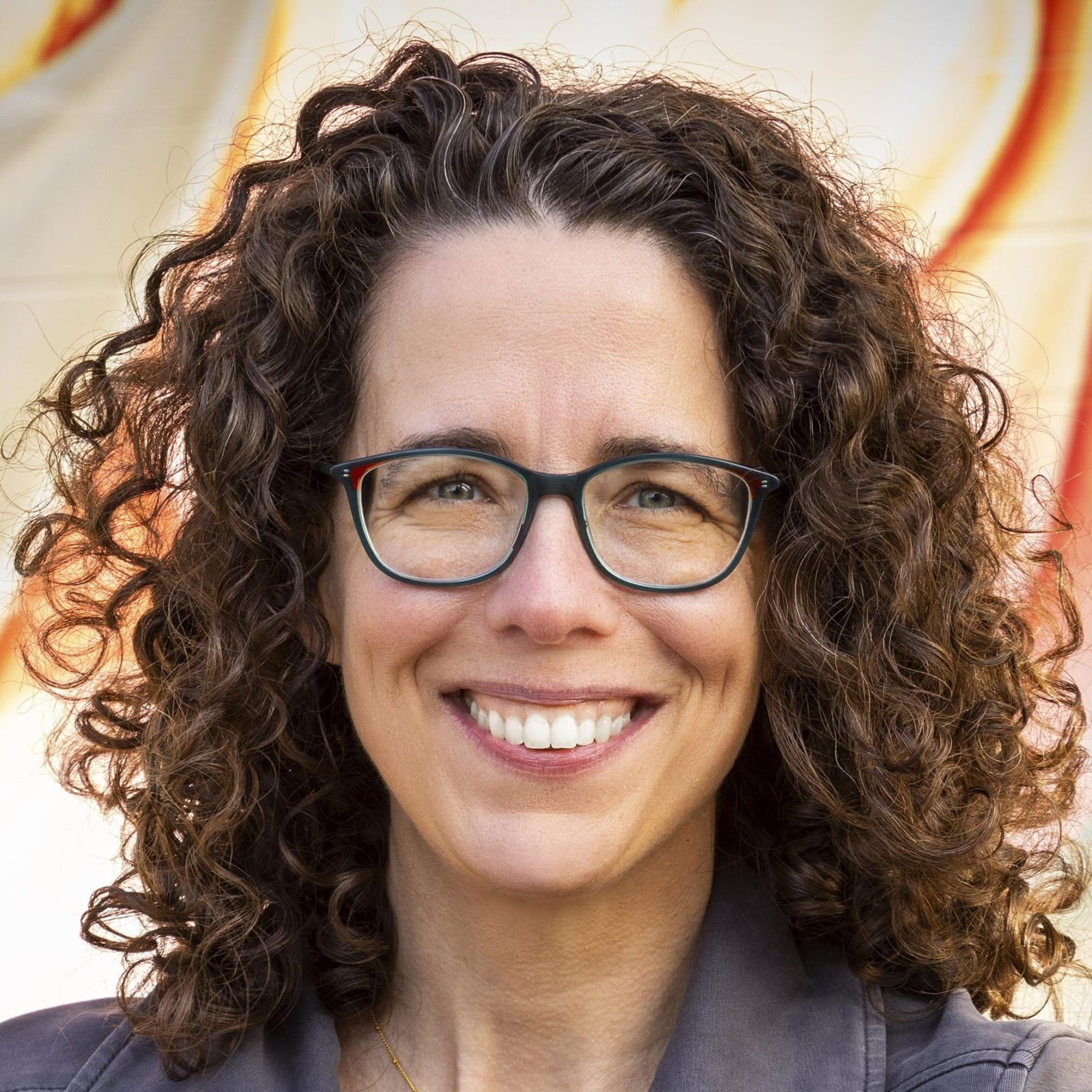
Jane Friedman has spent her entire career working in the publishing industry, with a focus on business reporting and author education. Established in 2015, her newsletter The Bottom Line provides nuanced market intelligence to thousands of authors and industry professionals; in 2023, she was named Publishing Commentator of the Year by Digital Book World.
Jane’s expertise regularly features in major media outlets such as The New York Times, The Atlantic, NPR, The Today Show, Wired, The Guardian, Fox News, and BBC. Her book, The Business of Being a Writer, Second Edition (The University of Chicago Press), is used as a classroom text by many writing and publishing degree programs. She reaches thousands through speaking engagements and workshops at diverse venues worldwide, including NYU’s Advanced Publishing Institute, Frankfurt Book Fair, and numerous MFA programs.