
Traditional Publishing
- Large educational publishers McGraw-Hill and Cengage to merge. The resulting company will become the second largest provider of textbooks and higher-education learning materials in the United States. Both companies are private-equity owned and heavily in debt. Read Jim Milliot in Publishers Weekly. For industry insider commentary, read Michael Cairns’s blog post, Where Is Education Textbook Publishing Headed?
- Simon & Schuster profits are up for the first quarter of 2019. According to reporting by Sara Grace at Publishers Lunch, CEO Carolyn Reidy suggested that one success factor is how many more books continue to sell past their publication season or even rise—a change from five years ago. She says, “Social media has made it possible to continue focusing people on things that are not just the hot new thing.” As a result, “It does mean focusing your marketing on the longer term rather than the launch.” Read at Publishers Marketplace (subscription required).
- HarperCollins profits are also up. Profits are currently being driven by higher sales in Christian publishing. Read Jim Milliot in Publishers Weekly.
- Book publishers face paper and printing challenges. Dramatic declines in paper capacity may cause problems for major publishers this year. Read Calvin Reid in Publishers Weekly.
Cancel Culture
- A canceled YA book is now planned for release. The YA fantasy novel by Amélie Wen Zhao was supposed to release in June, but social media criticism led the author to voluntarily pull the book from publication. The author now says the critics weren’t right, but she made some revisions. The book will release in November from Delacorte Press. Read Claire Kirch in Publishers Weekly.
- After an author publicly shames a Metro worker on Twitter, her publisher cancels publication of her novel. The author later apologized and deactivated her Twitter account. Read Samira Sadeque in The Daily Dot.
- After a publisher pulled and pulped a novel one week after publication, its author makes it available to readers. The book was condemned for Islamophobic themes and content. Read Claire Kirch in Publishers Weekly.
Trends
- Do literacy programs like Big Reads really work? Often funded by the National Endowment for the Arts, reading initiatives held across the US attract a lot of attention and admiration, but they lack metrics for effectiveness. Read Terena Bell at The Outline.
- The late 20th-century editor must consider the market. But has it always been that way? And how have editors shaped authors’ careers? Tim Groenland discusses in the Los Angeles Review of Books.
- Has translated fiction been growing? More translations are published today, but so are more books in general. Read Chad Post in Vulture.
Book Clubs
- Barnes & Noble launches a YA book club. The first pick for June is by debut author and YouTube star Christine Riccio. Read Tirzah Price in Book Riot.
- An entrepreneur starts a book club to help nonfiction authors generate book sales during their first few weeks of launch. The Next Big Idea Club is about a bigger goal—access to renowned thinkers—and offers two books per quarter as part of its membership package. Read Jim Milliot in Publishers Weekly.
Bookselling
- The New York Times profiles Indigo, the Canadian bookselling chain, and its expansion into the United States. However, as Michael Cader at Publishers Lunch was quick to point out (subscription required), their latest earnings report will be their worst fiscal performance in years: “They are headed towards negative EBITDA and a substantial net loss. … Hardly lucrative.” However, the chain is still seen to be doing well—by selling merchandise to make up for lost book sales. Read Alexandra Alter.
- Independent bookstores market themselves as more than just stores, but then what happens when they don’t pay fair wages? Sarah Malley discusses the paradoxical celebration of and loyalty to indie bookstores. Read at Popula.
Christian Publishing
- A quiet revolution is happening in evangelical Christian publishing. Women hold the buying power in this sector, if not in their homes or churches. Read Kathryn Watson at LitHub.
- Agents discuss the new norms of Christian publishing. As Christian retail outlets close, authors are expected to have a marketing team behind them. Read Ann Byle in Publishers Weekly.
University Presses
- University presses aren’t high on the priority list of their parent institutions. Despite belonging to institutions with millions or billions in endowments, university presses must develop a strategy to gain priority with university administration—or find some other method of support. “Indignation is not a business strategy,” says Joseph Esposito. Read at The Scholarly Kitchen.
- A new project aims to slash the cost of producing monographs. How much should university presses invest in books that will ultimately be accessed more in digital formats? And are humanities scholars prepared to be published in a digital-first model? Read Lindsay McKenzie at Inside Higher Ed.
Potpourri
- Learn about the most viewed topic on each social media platform. For Facebook, Twitter, and Reddit, it’s law, government, and politics. Read Sara Fischer and Neal Rothschild at Axios.
- The Guardian isn’t losing money any longer. It’s all because of reader donations. Read Joshua Benton at Nieman Lab.
- The Mayo Clinic starts a publishing imprint. Mayo Clinic Press will publish health-related books for consumers and be distributed by Simon & Schuster. Read Claire Kirch at Publishers Weekly.
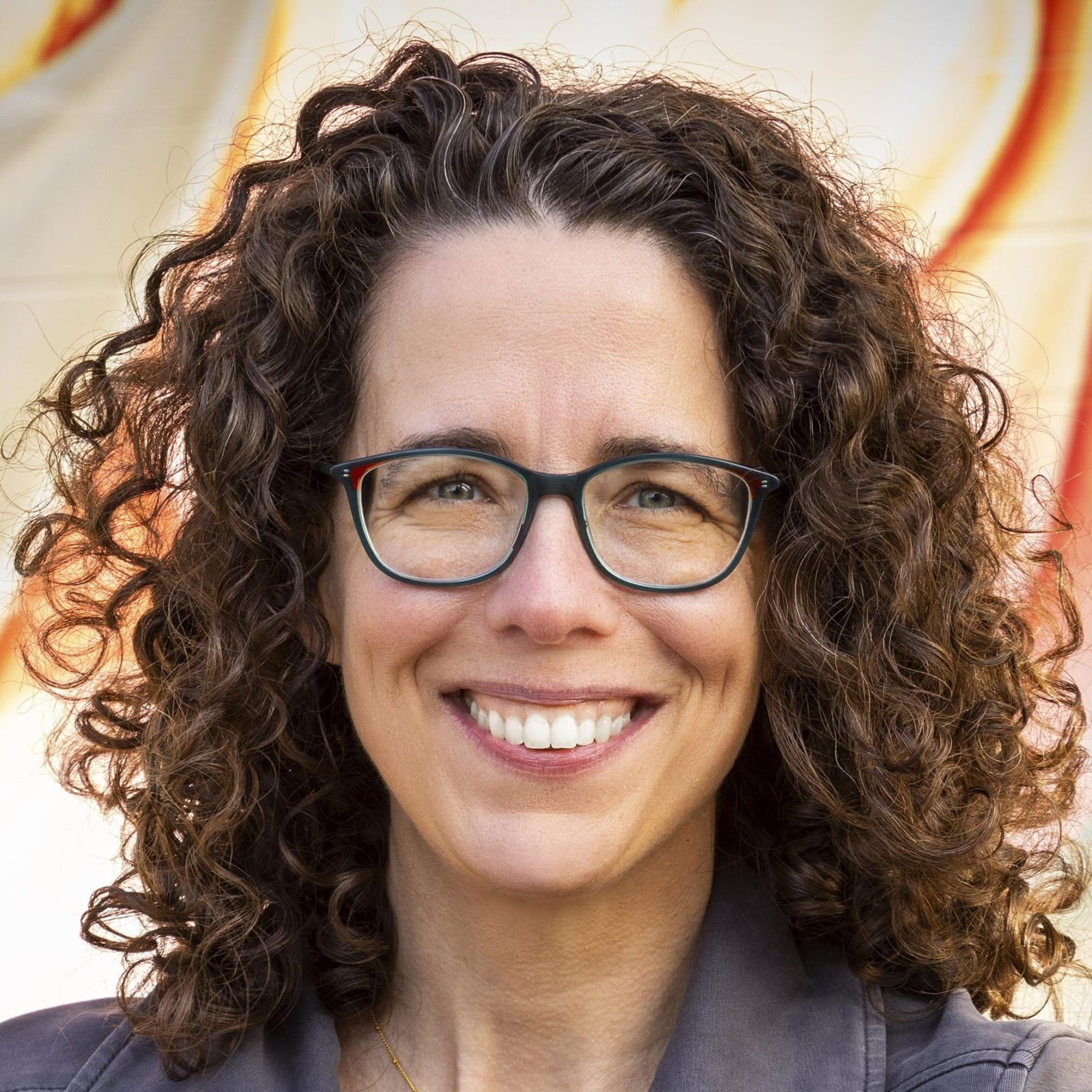
Jane Friedman has spent her entire career working in the publishing industry, with a focus on business reporting and author education. Established in 2015, her newsletter The Bottom Line provides nuanced market intelligence to thousands of authors and industry professionals; in 2023, she was named Publishing Commentator of the Year by Digital Book World.
Jane’s expertise regularly features in major media outlets such as The New York Times, The Atlantic, NPR, The Today Show, Wired, The Guardian, Fox News, and BBC. Her book, The Business of Being a Writer, Second Edition (The University of Chicago Press), is used as a classroom text by many writing and publishing degree programs. She reaches thousands through speaking engagements and workshops at diverse venues worldwide, including NYU’s Advanced Publishing Institute, Frankfurt Book Fair, and numerous MFA programs.