
News
- Dean Koontz has just signed a five-book deal with Amazon Publishing. Koontz’s books have lifetime sales of 500 million copies. His new work will be under the Thomas & Mercer imprint, which also publishes authors Barry Eisler, Robert Dugoni, Sylvia Day, and Patricia Cornwell. Read more in Publishing Perspectives.
- The European Commission opens a formal investigation into the possible anti-competitive conduct of Amazon. The focus is on Amazon’s use of sensitive data from independent retailers who sell on its marketplace. Read the press release at the European Commission site.
- Pearson is shifting its textbook publishing program to digital first. All 1,500 of Pearson’s textbook titles will be updated in digital edition only rather than print. Pearson is struggling with a shrinking textbook market; this initiative can be seen as their latest move to protect revenue. Michael Cader comments in Publishers Lunch (subscription required) that they are “hoping to strangle the secondary market for used (and imported) textbooks once and for all.” Read John Maher in Publishers Weekly.
- Get an accessible version of The Mueller Report—free. In partnership with the Digital Public Library of America, two publishing industry consultants have created a text-accurate file with accessibility features. Read Thad McIlroy and Bill Kasdorf at Publishers Weekly.
Traditional Publishing
- The annual global CEO talk at the Frankfurt Book Fair will feature an executive from Netflix. Usually, the event features a CEO or employee of one of the largest 50 publishers—but not this year. Read in Publishing Perspectives.
- The largest publisher of scholarly journals, Elsevier, cuts off University of California. It’s the latest move in a high-stakes standoff and cost dispute. For a plain-English analysis of why this matters, read MacKenzie Smith at The Conversation.
- Publishing-related stocks sank over the past six months. They declined by 21.2 percent in 2018 and have so far dropped 9.9 percent in the first half of 2019. Read Jim Milliot in Publishers Weekly.
- How a literary agent views academic books. This is a valuable Q&A for anyone who writes serious nonfiction. Read Rachel Toor at The Chronicle of Higher Education.
Trends
- Explore the visual similarity of top-selling book covers. This impressive and interactive infographic spans eleven years and 5,000 covers. By Jess Peter at The Pudding.
- We’re at peak newsletter, and I feel fine. More and more writers are getting into (paid) email newsletters with the advent of better tools like Substack. Read Claire Landsbaum at Vanity Fair.
- Are paywalls saving newspapers? Research from Harvard Business School shows that publications with reputable brands benefit from paywalls, but most others may not. Read Kristen Senz at HBS’s Working Knowledge blog.
- Tim Ferriss’s experiment with a fan-supported podcast is over. He’s decided a sponsor-based model is superior. Read at his blog.
Amazon
- What’s it like to get signed by Amazon Publishing? Learn how they acquire and the pros and cons of working with the traditional publishing arm of Amazon at Reedsy.
- Amazon’s physical stores are best described as a data experiment. The Amazon Go stores aren’t performing to expectations, and the company has slowed the opening of Amazon Books stores. Read Brad Stone and Matt Day in Bloomberg Businessweek.
- It appears that Amazon Prime membership may be reaching its limit. A consumer marketing research firm says that the annual growth rate is down very slightly. Read the CIRP press release.
- Learn how to avoid buying counterfeit books on Amazon. You’ll find a simple set of reminders—perhaps worth sharing with your readers, who may not be aware of the problem. Read Nancy Mertzel at Mertzel Law PLLC.
Film/TV
- Amazon is developing the Jack Reacher books for a series. Deadline reports it was a competitive situation. The project will be co-produced by Amazon, Skydance Television, and Paramount. Read Denise Petski.
- HarperCollins and Sony partner up. Brian Murray, the CEO of HarperCollins, came up with the idea of joining forces. He tells the New York Times, “We thought we could play a greater role as a facilitator, increasing the odds that HarperCollins authors could see their books turned into compelling films, television, streaming opportunities.” Read Brooks Barnes.
Libraries
- Tor is opening up about the results of their embargo on ebook sales to libraries. Their conclusion: The embargo has worked. Read Jason Sanford’s interview with Tor at Patreon.
- Related to the above: Is Amazon pressuring publishers over ebook licensing terms? Amazon denies that’s the case, despite reports to the contrary. Meanwhile, the OverDrive CEO says publishers’ declining ebook sales are certainly affected by the growing catalog of Amazon Publishing and self-published ebooks. Read Matt Enis in Library Journal.
- Washington state libraries are organizing a boycott of Blackstone over their embargo of digital audio. Blackstone recently announced they would embargo selected audiobooks for three months. Learn more from Andrew Albanese in Publishers Weekly.
Marketing Toolbox
- Facebook is launching Fan Subscriptions. It’s a monetization feature for Facebook groups. But be aware and be careful: Facebook will take a 30 percent cut of revenue and a lifetime license to your work even if you leave the program. Read Dami Lee at The Verge.
- Publishers are cautious on IGTV efforts. Instagram TV remains an area for experimentation with limited monetization. Read Kerry Flynn at Digiday.
- How to find your comp authors. David Gaughran offers a comprehensive look at how to figure out an essential part of your marketing. Read at his blog.
- How authors budget for their books. The IBPA and NetGalley conducted a joint study to learn how much independent authors budget for publishing and marketing. Take a look.
New Imprint Alerts
- Arcadia forms a children’s publishing division. The first titles will be released in 2021. Read Jim Milliot in Publishers Weekly.
- A major video game developer and top manga publisher in Japan is launching two book publishing imprints. Square Enix Manga and Square Enix Books will publish manga, light novels, art books, and other books related to their game and anime properties. Read Deb Aoki in Publishers Weekly.
- HarperCollins launches a new graphic novel imprint. HarperAlley will release its first titles next year, publishing for all ages. Read Calvin Reid in Publishers Weekly.
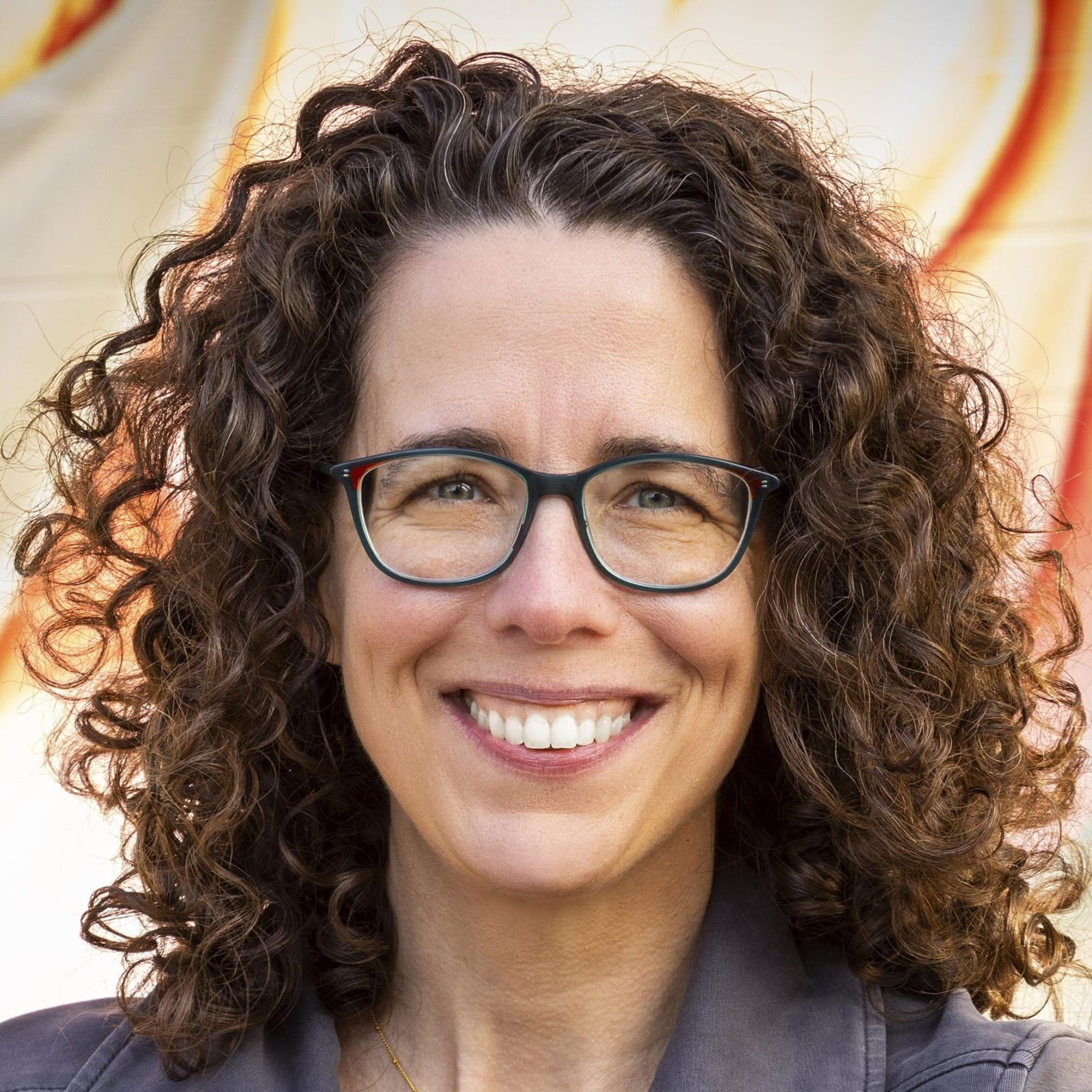
Jane Friedman has spent her entire career working in the publishing industry, with a focus on business reporting and author education. Established in 2015, her newsletter The Bottom Line provides nuanced market intelligence to thousands of authors and industry professionals; in 2023, she was named Publishing Commentator of the Year by Digital Book World.
Jane’s expertise regularly features in major media outlets such as The New York Times, The Atlantic, NPR, The Today Show, Wired, The Guardian, Fox News, and BBC. Her book, The Business of Being a Writer, Second Edition (The University of Chicago Press), is used as a classroom text by many writing and publishing degree programs. She reaches thousands through speaking engagements and workshops at diverse venues worldwide, including NYU’s Advanced Publishing Institute, Frankfurt Book Fair, and numerous MFA programs.