Last year, in August, we tried to ascertain whether a “dry spell” for new novels on the bestseller list was a sign of anything ominous ahead for traditional publishers. As it turned out, 2016 marked a fourth straight year of volume growth for traditional publishers, with the industry up by 3.3 percent. The growth came from coloring books and nonfiction print backlist in self-help, plus the juvenile category, which was boosted by JK Rowling’s The Cursed Child.
Early reports make 2017 look very similar to 2016—and publishers are celebrating. A Publishers Weekly article reports, “Despite the lack of a hot new title in the first nine months of 2017, print unit sales for the period were 2 percent higher than in the comparable timeframe in 2016.” And that growth is once again driven by backlist. The bestselling title this year is a poetry book released by Simon & Schuster in 2015, Milk and Honey by Instagram poet Rupi Kaur. S&S CEO Carolyn Reidy said that Kaur’s young fans are buying the physical object because they “want to own something that is connected to the person they like online and … because they can share it.”
Once again, nonfiction is outperforming fiction in 2016. That’s in part because Kaur’s poetry book is classified as nonfiction for the purposes of these reports. Adult fiction sales would be doing even worse this year if it weren’t for two backlist bestsellers, The Handmaid’s Tale by Margaret Atwood and 1984 by George Orwell.
Of the most successful new titles this year, Hillary Clinton’s What Happened has enjoyed the biggest opening week. Publisher Simon & Schuster says the book, which sold 168,000 print copies in its first week, had “the biggest first week sales recorded by any author for a hardcover nonfiction title published since 2012.” By comparison, Dan Brown’s newest novel, Origin, saw 145,000 hardcover sales during its first week. (Compare that to 369,000 first-week hardcover sales of Inferno in 2013.)
Bottom line: The absence of a traditional publishing blockbuster can be keenly felt and observed in financial results; for example, when Scholastic didn’t have a Harry Potter book in the first quarter of fiscal 2017, as it did in 2016, total revenue at the company declined 33 percent during that quarter. And of course the effect of such titles isn’t limited to publishers’ bottom lines; bookstore sales declined nearly 11 percent in August (compared to the prior year) because of the absence of a Potter book. That said, the story coming out of Frankfurt Book Fair is that traditional publishers are feeling buoyed by the recent years of growing print sales and the leveling-off of ebook sales—never mind that print market share and growth is dominated and driven by Amazon.
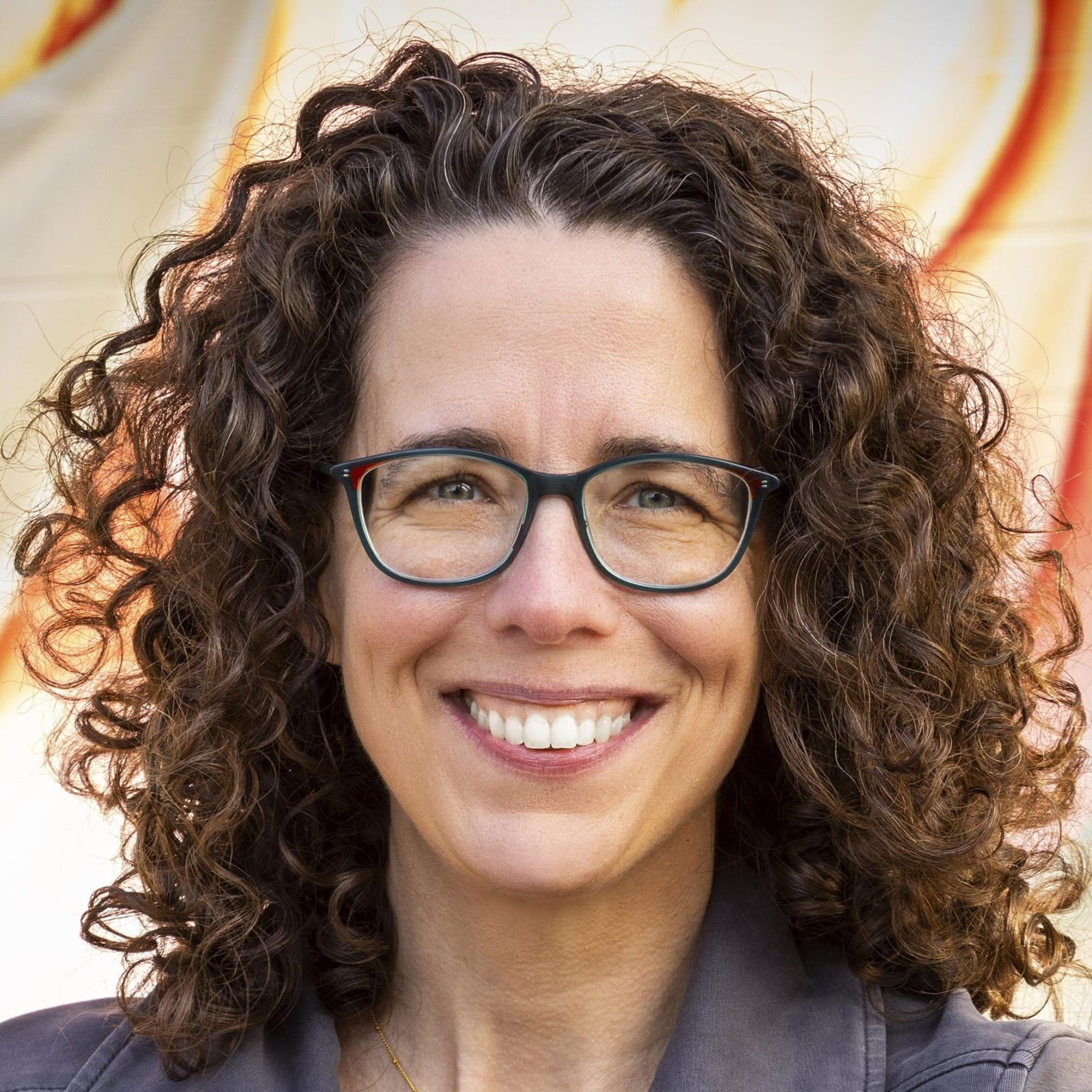
Jane Friedman has spent her entire career working in the publishing industry, with a focus on business reporting and author education. Established in 2015, her newsletter The Bottom Line provides nuanced market intelligence to thousands of authors and industry professionals; in 2023, she was named Publishing Commentator of the Year by Digital Book World.
Jane’s expertise regularly features in major media outlets such as The New York Times, The Atlantic, NPR, The Today Show, Wired, The Guardian, Fox News, and BBC. Her book, The Business of Being a Writer, Second Edition (The University of Chicago Press), is used as a classroom text by many writing and publishing degree programs. She reaches thousands through speaking engagements and workshops at diverse venues worldwide, including NYU’s Advanced Publishing Institute, Frankfurt Book Fair, and numerous MFA programs.