
Back in May, we offered a recap of how Kindle Unlimited has evolved since 2015, particularly in terms of indie author strategy. Kindle Unlimited is becoming an increasingly important and contentious platform for two reasons: (1) scammers continue to find ways to game the rankings and thus the page-read payout system, and (2) KU keeps growing in size and influence. Michael Cader of Publishers Lunch recently estimated (paywall) that self-published titles represent about 73 percent of all KU reads. Furthermore, KU reads and other proprietary Amazon programs possibly represent more ebook units read than all of the competitive stores have sold put together.
Recently, there have been increased complaints from self-pub authors about gaming of Kindle Store rankings and the KU system, with some authors claiming they have left KU as a result. In a post from June, David Gaughran detailed his frustration with scam operations that impact the free-book charts at Amazon. More recently, he has focused on click-farming schemes that can send a title from the depths of anonymity to the number-one spot in paid Kindle rankings—thus increasing its visibility and KU page-read payouts. Offers from click-farm services can be found everywhere on the internet—and if you can successfully push your book with a click farm, it seems you suddenly rule the roost across the Kindle ecosystem, regardless of whether you were aware of the ethics of your actions.
We spoke with Amazon about the situation and found them as guarded and careful in their response as ever: “We take any manipulation of our programs and services very seriously and have forwarded your concerns to the appropriate team for investigation. Although we can’t disclose the outcome of the investigation, and corrective actions are not always visible to the public (ex. warnings, royalty eligibility, account terminations, etc.), we appreciate your feedback. Along with our ongoing investigations, we’ll continue to dig into any example you provide to us.”
Here’s a very long KBoards thread that amplifies many of the complaints Gaughran and others are making. While understanding the anger and frustration authors feel when such schemes wreak havoc in the store rankings and KU borrows, we don’t agree that Amazon is indifferent to these issues. In our communications with company sources, we find robust concern. Harder to see, as Amazon’s statement notes, are some (or any) of the actions Amazon is taking. However, some of the abuse cases that have been reported to Amazon by the indie author community have resulted in the authors’ rankings being stripped.
Bottom line: Ever since authors started walking into bookstores and moving their titles to the lead table, bad-faith players have been busy in bookselling. The online world makes this a much more complicated issue. The effects these hacks can have on Amazon’s system are tantamount to security breaches. That’s another reason they’re not taken lightly or discussed by the company in public. Like others, we continue to monitor what we can see of irregularities on the platform. We conclude, however, that the corporation that has done the most to enable self-publishers’ careers is less callous about these incursions than it may appear from the outside.
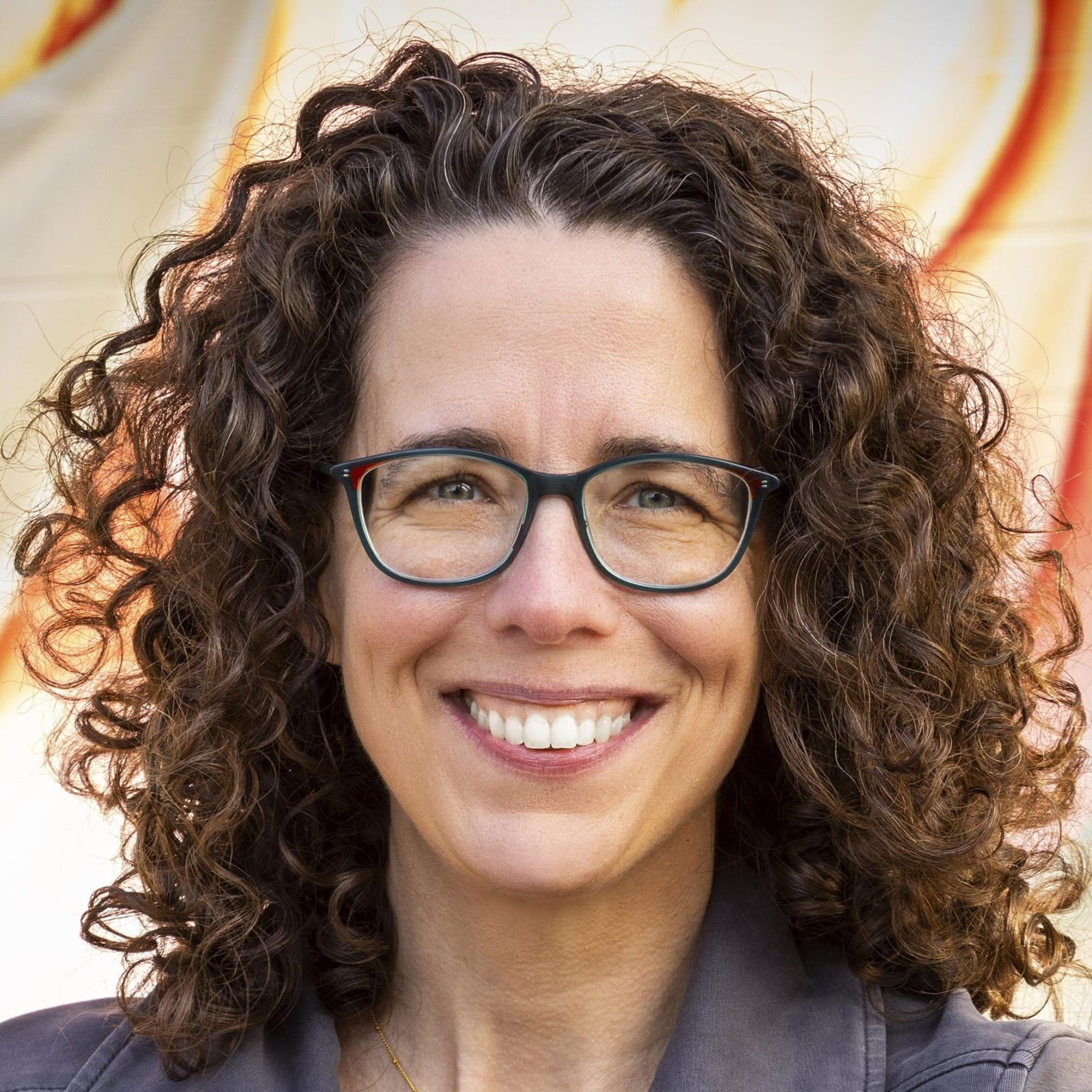
Jane Friedman has spent her entire career working in the publishing industry, with a focus on business reporting and author education. Established in 2015, her newsletter The Bottom Line provides nuanced market intelligence to thousands of authors and industry professionals; in 2023, she was named Publishing Commentator of the Year by Digital Book World.
Jane’s expertise regularly features in major media outlets such as The New York Times, The Atlantic, NPR, The Today Show, Wired, The Guardian, Fox News, and BBC. Her book, The Business of Being a Writer, Second Edition (The University of Chicago Press), is used as a classroom text by many writing and publishing degree programs. She reaches thousands through speaking engagements and workshops at diverse venues worldwide, including NYU’s Advanced Publishing Institute, Frankfurt Book Fair, and numerous MFA programs.
