
ONLINE CLASS
Write a Compelling Query for Your Nonfiction Book
Learn the best practices of nonfiction query writing whether you plan to pitch literary agents or book publishers
INSTRUCTOR
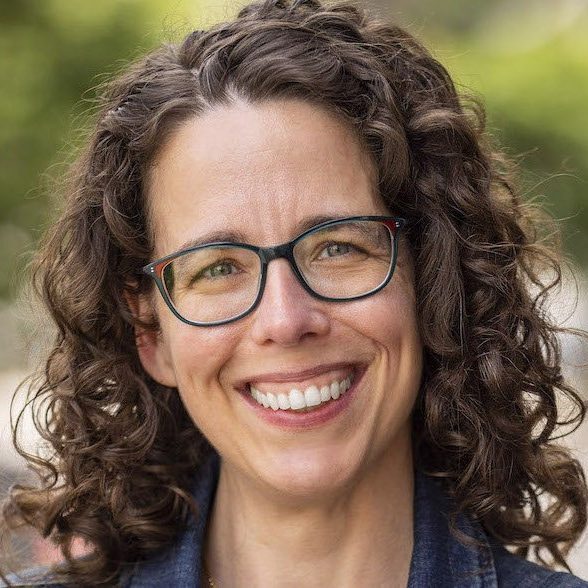
Jane Friedman
DATE & TIME
Wednesday, July 2, 2025, at 1 p.m.–2:30 p.m. EDT
IDEAL FOR
Anyone pitching their first nonfiction book
ACCESSIBILITY
Closed captions by Otter; transcript provided with recording
Important: This query letter class is not for those writing memoir or hybrid memoir. (To learn why, see below.)
The query letter has one purpose: to compel the agent or editor to request your book proposal or open up a conversation about your project. A powerful query letter establishes your book’s unique selling proposition and clearly identifies your target readership—even before you’ve completed your manuscript. This has to be accomplished in about 500 words or less, while conveying your authority and platform to write the book.
This class shows you how to you craft a query that stands out in a crowded field. You’ll learn to articulate what makes your book necessary, identify your specific audience, and present your credentials and platform effectively.
Why nonfiction queries deserve a special class (without memoirists)
Unlike fiction and memoir, nonfiction writers have to demonstrate not just good storytelling or skillful writing, but the expertise and ability to reach readers. The publishing industry evaluates nonfiction authors on three critical questions:
- So what? (Why is this book unique and needed?)
- Who cares? (Who is the specific audience willing to pay for this book?)
- Who are you? (What makes you the ideal author with the platform to sell this book?)
We’ll explore varied models for pitching these key nonfiction categories:
- Narrative nonfiction, such as biographies and histories
- Information-driven and prescriptive works, such as business, self-help and self-improvement, how-to, reference, and cooking
- Big idea and argument-driven books, like those written by Malcolm Gladwell
- Essay collections (but not memoir-in-essays)
Jane has edited thousands of query letters during her career and worked for 12 years at a commercial nonfiction publisher, as well as an award-winning literary journal that published primarily nonfiction. Her industry experience will help you:
- Present your book’s unique selling proposition in a way that demonstrates your book’s market potential
- Determine if your idea or concept needs strengthening before submission
- Define your target readership with meaningful specificity rather than overly broad generalizations
- Position your work in relation to competitive titles without making unrealistic or unhelpful comparisons
- Confidently convey your platform and credentials to persuade you will launch the book successfully (she’ll offer honest feedback on what type of platform is insufficient to attract an agent or publisher)
- Structure your query with the right elements in the most effective order
- Discuss previously self-published work (if applicable)
- Know when to mention forewords or endorsements from influencers
- Use the appropriate length, tone, and format for professional submission
Along the way, you’ll see examples of common pitfalls that lead to immediate rejection and how to avoid them. This workshop isn’t just theoretical—Jane will use student-submitted queries to show you how to improve what you have. Through a combination of expert instruction, examples of successful queries, and critique, you’ll learn how to transform your query draft into a professional and persuasive business case for your book.
The role of platform in commercial publishing and how to strengthen yours
Platform is critical for nonfiction authors who hope to secure an agent for most nonfiction books. Even a query perfectly executed cannot make up for an author with a lack of credentials, authority, or visibility to their target readership. Jane will discuss how to strengthen your platform in a productive way, but the honest truth is that building platform to land a book deal doesn’t often end in success. Learn more about Jane’s perspective on this before registering.
There is good news: Depending on the topic, some independent and small publishers are open to authors with limited platform if the book is a strong fit for their publishing program. These distinctions in the market will be discussed as part of this class.
Feedback opportunity: If you’re open to having your query used as part of the presentation for constructive critique (Jane will be kind), you can include a draft when you register. Your identity will be kept confidential, but of course your book’s details will not, and sometimes it’s hard to keep your identity hidden in a query that expresses your platform.
Keep in mind that only a handful of registrants will see their materials critiqued during this session, and it won’t be a formal or full critique. But it’ll still be fun and useful!
Who should take this class:
- Nonfiction writers who are not memoirists. This means authors of self-help or self-improvement, parenting, history, biography (but not autobiography), business, finance, reference, travel, gift books, and much more (as long as it’s not memoir)
- Writers of “big idea” books or anyone writing an argument-driven nonfiction work that’s not memoir
- Narrative nonfiction writers: people writing primarily about people, places, and things
- Essayists trying to sell a collection, as long as it’s not memoir-in-essays
Not sure if your book falls into one of the above categories? If the book is written primarily to tell your story, it’s probably not a good fit for this class. If you remain unsure, contact us and ask.
This class is not for writers who are querying:
- Novels or short story collections
- Memoirs, including hybrid memoir or self-help memoir
- Children’s work: this class focuses on nonfiction for adults
- Poetry
- Experimental or hybrid genre works
Why isn’t this class for memoirists or hybrid memoirists?
This class focuses on the unique needs of nonfiction writers who are not memoirists.
Queries for memoir tend to have more in common with queries for novels. The query must convey the story premise and offer a compelling narrative. While there is sometimes an expectation the memoirist will have some kind of platform, the type of platform that memoirists must demonstrate tends to look rather different than the one required in other nonfiction categories.
Querying a hybrid memoir is often same as querying memoir, but the situation is complicated. Jane finds it hard to offer reliable guidance for a group of writers with incredibly different types of hybrid memoir, especially when there’s not an industry-recognized definition for hybrid memoir. What applies to one hybrid memoir may not apply to another.
How do I attend the live class?
This class uses Zoom webinar technology. You will join through your Internet-connected computer or mobile device. When you register, you will receive information via email on how to join the class. If you don’t receive it within 1 hour of registering, please contact us.
- When: Wednesday, July 2, 2025
- Time: 1:00–2:30 p.m. Eastern Time / 10:00 a.m.–11:30 a.m. Pacific Time
- Fee: $25
The webinar is broadcasted via the internet with live audio delivered through your computer or mobile device speakers. The visual presentation is displayed directly from the presenter’s computer to your computer screen. The Q&A is managed through a chat-style submission system with questions read and answered by the presenter for the entire class to hear.
Closed captions are provided during the live class. We use Zoom’s automated closed caption service (powered by Otter), which is about 80%+ accurate.
About the instructor
Jane Friedman has spent 25+ years working in the publishing industry, with a focus on business reporting and author education. Established in 2015, her newsletter The Bottom Line provides nuanced market intelligence to thousands of authors and industry professionals; in 2023, she was named Publishing Commentator of the Year by Digital Book World. Jane’s expertise regularly features in major media outlets such as The New York Times, The Atlantic, NPR, The Today Show, Wired, The Guardian, Fox News, and BBC.
Qualifications to teach this class:
- Jane spent 12 years working at a midsize commercial publisher that focused on nonfiction (non-memoir) titles. She acquired hundreds of nonfiction books during her career.
- Jane spent two years working at a literary journal that focused on publishing nonfiction, with authors who often parlayed their articles into book deals.
- Jane has critiqued hundreds of queries and nonfiction book proposals for writers, leading to book deals.
- Jane writes and publishes nonfiction work herself.
After months of querying and rejection, I sought Jane’s help. She helped me to root out the elements of my submission materials that agents and publishers wanted to see. Within a week, one of my top-choice agencies contacted me requesting pages.
Ted Wesenberg
The query is 100% clearer and right to the point now. I learned a lot about writing a query letter from your class. It prompted me to seek out your help with my query letter. I’m so glad I did, you’re a genius.
Ariana Fae
Jane, thank you for everything. You made a meaningful difference in what I’m sending out. Really, your help was invaluable.
Tom King
All students receive the following
- Access to the live class (90 minutes). The instructor will take questions during class using in-class chat/text. The class will end after roughly 90 minutes.
- A recording of the class—audio and video. This is especially helpful if you have a conflict with the class time or something comes up and you can’t make the session. Each registration comes with access to the archived version of the program and the materials for 30 days. You do not have to attend the live event to access the recordings.
- Presentation slides. All participants receive a copy of the slide presentations in PDF form.
- Rough transcript. We offer a lightly edited transcript of each webinar, which we’ll share with you in addition to the audio and video recording.
- Digital resource guide: Land a Book Deal. Jane will share a link to her continually updated web-based resource guide with links to more guidance, tips, and resources.
Event Attendance & Anti-Harassment Policy
We strive to provide an environment where all present—whether attendee or presenter—can feel supported. In order to ensure a welcoming event, here is what we expect from all who participate.
- That the presenter and the presenter’s work be treated with respect by attendees and that all attendees treat each other with respect and a generosity of spirit.
- That attendees will refrain from harassment of any sort including (but not limited to) comments or questions of a racist, homophobic, sexist/sexual, or threatening nature. This includes actions that disrupt or interfere with anyone’s ability to participate. Offenders will be asked to leave the live event and will not be refunded.