
ONLINE CLASS
Story Structure & Momentum
Creating propulsive, unputdownable stories
INSTRUCTOR
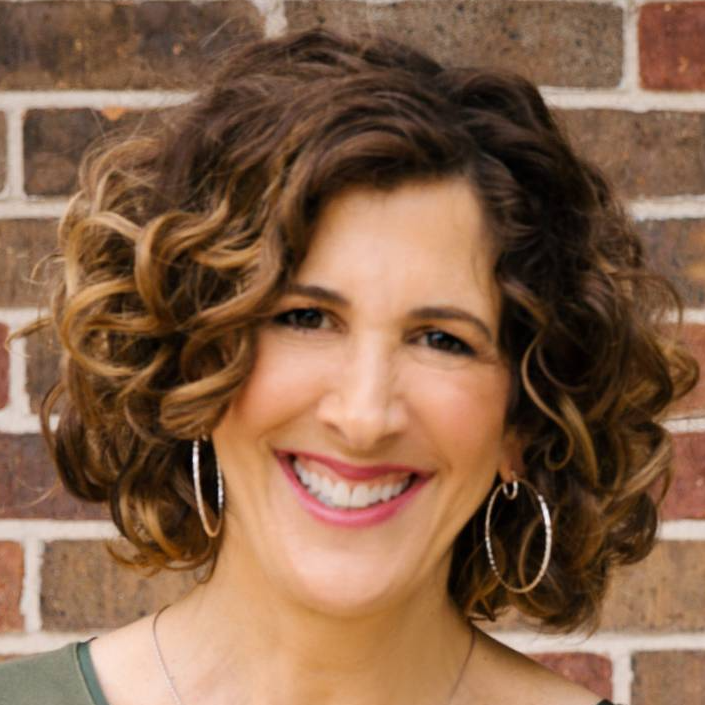
Tiffany Yates Martin
DATE
Live on March 18, 2026, at 1:00–2:30 p.m. EDT, or watch recording
IDEAL FOR
Beginning to intermediate novelists
ACCESSIBILITY
Closed captions by Zoom; transcript provided with recording
Knowing how to structure your story is part architecture, part orchestration. Authors must balance the principles and components of effective storytelling with the reader’s experience of the story—all while maintaining forward momentum to carry readers (and characters!) smoothly and propulsively through its pages.
Structure is your story’s bones, the essential framework that creates and supports the whole. And like a skeleton, it’s not just the bones that create the framework for an organic being, but how they’re put together.
Compelling story is much more than its component parts: It’s not just what happens, but how the story is told that engages readers—as anybody who’s ever been cornered at a party by a clumsy storyteller knows. It’s why listeners, including agents and editors, may glaze over as soon as an author starts a recitation of the characters and plot of their story: What makes the story work isn’t how exciting any of its elements are, but rather how they unfold on the page.
Despite the proliferation of “foolproof” systems, structures, and techniques, there’s no one-size-fits-all or “right” way to structure a story. Finding the most compelling way to tell the story you want to tell means understanding the essential components of effective story, mastering the core principles of story structure, and understanding how scene serves story.
This class by veteran editor Tiffany Yates Martin will teach you how to find what works best for you and your story organically, from the inside out, rather than cramming it into some prescribed external formula or mold, and give you tools that will help you entice readers into your story and carry them seamlessly along on the journey.
This class will cover:
- The core principles of story and structure, and how to use those principles as a framework to craft an effective organic structure for your particular project
- How to determine what makes a scene essential and where it may serve the story best
- Why stories often stall in the middle, and how to avoid mid-book sag
- How to use cause-and-effect to create well-paced stories that avoid feeling episodic, aimless, or dead-ended
- Where you risk readers abandoning your book for good, such as chapter and scene endings, and transitions between storylines and timelines
- Using turning points to guide and amplify story (the joints of your story structure)
- How to construct multiple storylines based on the story, not a pattern
- Considerations for structuring stories with multiple characters, storylines, and timelines
- What to keep in mind when experimenting with non-chronological/non-contiguous storytelling to maintain forward momentum and ensure readers stay oriented and invested throughout
Whether you’re first drafting or revising, a pantser or a plotter, explore how to dynamically unspool your story on the page to keep readers deeply engaged, invested, and affected throughout.
Supplemental materials include
- Story Structure Map worksheet
Who this class is for
This course is primarily focused on adult fiction writing and will center on examples from fiction, but memoirists may also find it useful.
- Authors who want to deepen their understanding of story structure and how to build an effective, propulsive story
- Writers who have developed their stories but feel they’re still not working as well as they could
- Writers who are querying and getting good response, but no offers
- Writers who worry their story stalls out, gets lost, or meanders
- Authors who may be struggling with the best way to tell their story
- Pantsers who want to learn how to frame out their story structure without painstaking plotting in advance to keep their writing on track and ensure a cohesive draft
This class is not suitable for
- Poets
- Short story writers
- Children’s authors (except for YA)
- Essayists
What you’ll receive
Video recording
Audio recording download
Transcript download
Slides in PDF form
How do I attend the live class?
This class uses Zoom webinar technology (see system requirements). You will join through your Internet-connected computer or mobile device. When you register, you will receive information via email on how to join the class. If you don’t receive it within 1 hour of registering, please contact us.
- When: Wednesday, March 18, 2026
- Time: 1:00–2:30 p.m. Eastern / 10:00 a.m. Pacific
- Fee: $25 through March 15, 2026 / $35 if you register after March 15, 2026
The webinar is broadcast via the internet with live audio delivered through your computer or mobile device speakers. The visual presentation is displayed directly from the presenter’s computer to your computer screen. The Q&A is managed through a chat-style submission system with questions read and answered by the presenter for the entire class to hear.
Closed captions are provided during the live class. We use Zoom’s automated closed caption service, which is about 80%+ accurate. We use ElevenLabs to generate a lightly edited transcript, provided with the recording.
Refund policy
If you attend the live class and/or watch the recording, and it does not meet your expectations, contact us for a full refund, no questions asked.
About the instructor
Tiffany Yates Martin has spent her entire career as an editor in the publishing industry, working with major publishers and New York Times, Washington Post, Wall Street Journal, and USA Today bestselling and award-winning authors as well as indie and newer writers. She is the founder of FoxPrint Editorial (named one of Writer’s Digest’s Best Websites for Authors) and author of Intuitive Editing: A Creative and Practical Guide to Revising Your Writing and her latest, The Intuitive Author: How to Grow & Sustain a Happier Writing Career. She is a regular contributor to outlets like Writer’s Digest, Jane Friedman, and Writer Unboxed, and a frequent presenter and keynote speaker for writers’ organizations around the country. Under her pen name, Phoebe Fox, she is the author of six novels.
I’ll sign up for ANY fiction-related class by Ms. Martin. She’s that good.
Sandy W.
What a terrific presentation! Couldn’t ask for better content—clear and concise—or better delivery. You have a very engaging, inspiring style. Love the handouts that you shared. Invaluable tools for my tool chest.
Pamela B.
So many people had such nice things to say about you and your energy and presentations. One person said that they’ve seen other speakers with a lot of energy, but not with nearly as much substance.
Donna Brennan
Event Attendance & Anti-Harassment Policy
We strive to provide an environment where all present—whether attendee, presenter, or staff—can feel supported. In order to ensure a welcoming event, here is what we expect from all who participate.
- That the presenter and the presenter’s work be treated with respect by attendees and that all attendees treat each other with respect and a generosity of spirit.
- That attendees will refrain from harassment of any sort including (but not limited to) comments or questions of a racist, homophobic, sexist/sexual, or threatening nature. This includes actions that disrupt or interfere with anyone’s ability to participate. Offenders will be disconnected from the live event.