
ONLINE CLASS
POV Mastery
A three-class series on crafting powerful narrative perspectives
INSTRUCTOR
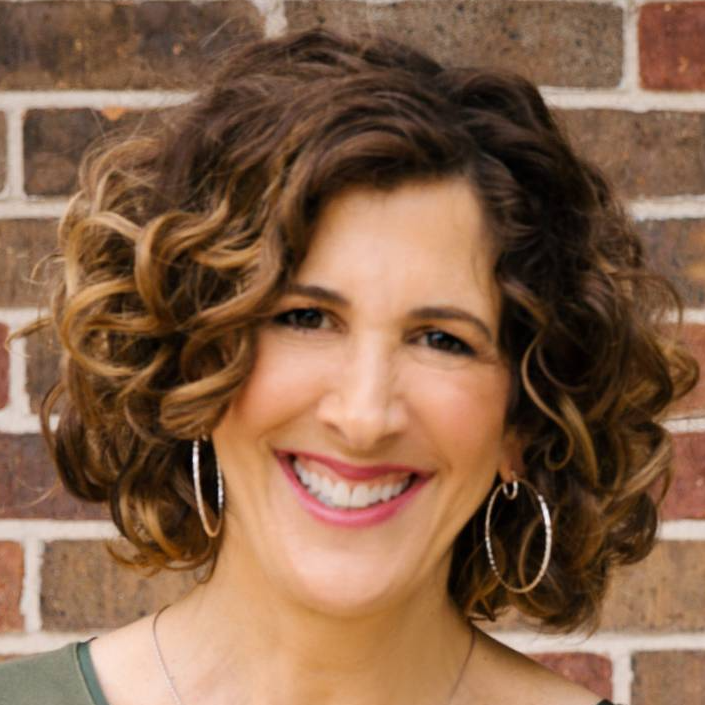
Tiffany Yates Martin
DATE & TIME
Three live sessions: Aug. 21, Aug. 28, and Sept. 4 at 1 p.m. EDT (or wait for the recordings)
IDEAL FOR
Beginning to intermediate novelists
ACCESSIBILITY
Closed captions by Zoom; transcript provided with recording
Creating strong, clear point of view in your manuscript is about more than whether to write in first person or third. POV is the reader’s window into the story, its perspective and its personality, an indication of our host and guide for what is to come. As an author it’s your chance to show us who your characters are and assure us that we are in capable hands. Skillful, consistent POV lets the reader relax and lose herself in your story, trusting the author to take us on a journey.
But when POV is uncertain, unclear, or weak, readers may disengage—or fail to invest at all. Characters can feel flat or opaque or removed, the story distant and unaffecting.
Differentiating and effectively using point of view is among the most challenging, complex, and variable aspects of storytelling. Instructor Tiffany Yates Martin brings thirty years of experience as an editor working on thousands of stories to guide you through the nuances, benefits, and possible pitfalls of POV to enhance and deepen your mastery of this foundational storytelling element.
This course delves into the four most prevalent storytelling perspectives in today’s fiction publishing market:
- first-person
- deep third
- third-person limited
- omniscient
We’ll explore how to create the most effective perspective to tell your story and deeply engage your readers. Strong, clear, effective point of view empowers you to create more immersive and authentic narratives, transforming your stories from simply action on the page into a vivid and compelling journey that resonates powerfully with your readers.
Here’s what this master class offers:
- You’ll learn guidelines for using all four of the major narrative POVs prevalent in the current fiction market, as well as what potential pitfalls to watch out for in each. We’ll explore how to determine which narrative perspective best serves your story, and how to successfully mix POVs within a single story so you gain a deeper understanding of how narrative choices shape reader engagement and character development.
- You’ll learn how to master the nuances of POV to best serve the story while keeping readers oriented and invested, and how to differentiate narrator voice, author voice, and character voice to seamlessly and authoritative guide readers into and through the story.
- You’ll learn how to use POV most effectively and powerfully to enhance reader engagement by letting us inside characters’ inner lives, whether in a direct or removed POV, creating an immersive and immediate experience for readers.
With plentiful examples from both published and unpublished works, you’ll learn to evaluate what makes POV work and what makes it fail, so you have more freedom to experiment with different story perspectives and to assess when it’s effective or when it may detract from your story.
Aug. 21: Direct POV: First and Deep Third
- Understand the characteristics and advantages of direct POV
- Navigate the challenges and risks of intimate POVs
- Use direct POV powerfully and consistently to draw readers in and seamlessly pilot them through the story
- Create immediacy and authenticity in direct POVs, allowing readers to connect deeply with characters’ emotions, thoughts, and personal experiences
Aug. 28: Removed POV: Limited Third and Omniscient
- Learn about the difference between direct and indirect POVs, and between limited third and omniscient point of view
- Understand the characteristics and advantages of these two indirect POVs
- Manage the challenges and risks of removed POV
- Navigate the restricted perspective of limited-third POV to maintain a close perspective on a single character’s thoughts and experiences, while using its conventions to effectively reveal information and maintain suspense
- Master the nuances of omniscient POV to deepen character development and build empathy, while effectively utilizing its expansive perspective
Sept. 4: Mixing POV
- Determine what POV best serves each character and storyline and why
- Learn how to be consistent for POV with each character—and how to “break” the rules successfully
- Artfully weave together and transition between POVs
- Distinguish between author voice, character voice, and narrative voice
Who should take this class
This presentation is useful for both newer and more experienced novelists who want a more comprehensive, deeper understanding of POV so they can use it more effectively to strengthen their storytelling. Authors who strive to deepen their characters and heighten reader engagement will find ample techniques for drawing readers in and investing them in their stories.
- Experienced fiction writers eager to expand their narrative repertoire and deepen their understanding of POV techniques to enhance character development and storytelling effectiveness
- Newer authors seeking to refine their storytelling craft and explore new creative possibilities through mastering POV techniques
- Editorial professionals (coaches, editors, copyeditors) looking to strengthen their narrative skills in their work with clients
- Writers who struggle with maintaining consistent, strong POV and want to strengthen their narrative control
- Authors who want to deepen their characters and draw readers more directly into their perspective to heighten reader engagement
- Authors who want to fully mine the intimacy created by closer POVs to invest readers more deeply
- Writers who are more familiar or comfortable with a particular POV and want to develop their mastery of others
- Writers who want to write in multiple POVs
- Writers who want to deepen their understanding of story perspective, and how to choose the “right” POV for their story
Who shouldn’t take this class?
- Anyone writing picture books for children or middle-grade fiction
- The class focuses on fiction in its approach and examples, and on POV techniques and guidelines for novels. Thus, it may not be as applicable to memoir, narrative nonfiction, and poetry.
- For any memoirists who remain interested and curious: The first class on direct POV would be most relevant to you, but examples will be fiction oriented. The other two classes on removed POV and mixing POV would not apply to memoir unless you’re writing an experimental or unconventional memoir.
What you get in all classes hosted by Jane

Recording & transcript
You can attend live or wait for the recording. We prioritize accessibility: you can watch or listen to class, enable closed captions, and keep the recording, transcript and slides for future reference.

All questions answered
We welcome your questions. If we can’t answer all questions live, they will be addressed in writing. All students receive a Q&A file with the recording.

Generous refund policy
Get a full refund upon request if you don’t receive the information you were hoping for. In after-class surveys, 99% of writers say their expectations were met or exceeded.
All classes are self-contained and never end with a sales pitch. Learn more about Jane’s mission for online classes.
How do I attend the live class?
This class uses Zoom webinar technology (see system requirements). You will join through your Internet-connected computer or mobile device. When you register, you will receive information via email on how to join the class. If you don’t receive it within 1 hour of registering, please contact us.
- When: Part 1: Wednesday, Aug. 21, 2024 | Part 2: Wednesday, Aug. 28, 2024 | Part 3: Wednesday, Sept. 4, 2024
- Time: 1:00 p.m. – 2:30 p.m. EDT / 10:00 a.m. Pacific
- Registration fee: $25 per class or $65 for all three
The webinar is broadcast via the internet with live audio delivered through your computer or mobile device speakers. The visual presentation is displayed directly from the presenter’s computer to your computer screen. The Q&A is managed through a chat-style submission system with questions read and answered by the presenter for the entire class to hear.
Closed captions are provided during the live and recorded class. We use Zoom’s automated closed caption service, which is about 80%+ accurate. We use Adobe Premiere to generate a lightly edited transcript, provided with the recording.
About the instructor
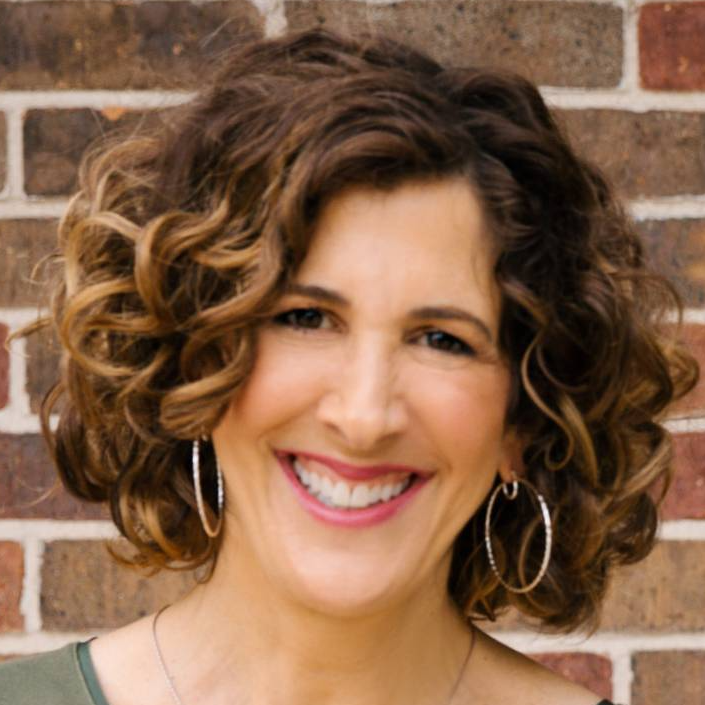
Tiffany Yates Martin has spent nearly thirty years as an editor in the publishing industry, working with major publishers and New York Times, Washington Post, Wall Street Journal, and USA Today bestselling and award-winning authors as well as indie and newer writers. She is the founder of FoxPrint Editorial and author of Intuitive Editing: A Creative and Practical Guide to Revising Your Writing and The Intuitive Author: How to Grow & Sustain a Happier Writing Career. She is a regular contributor to writers’ outlets like Writer’s Digest, Jane Friedman, and Writer Unboxed, and a frequent presenter and keynote speaker for writers’ organizations around the country. Under her pen name, Phoebe Fox, she is the author of six novels. Visit her at www.foxprinteditorial.com.
Testimonials
Well planned and organized; good program support. Tiffany offered depth of knowledge and professional experience. Well worth the fee and time! Looking forward to the follow-up materials.
M.K. Daly
Love the specific example passages and always lean in to Tiffany’s running commentary, which inspires deeper insight.
Margaret Ludlam
There was so much wonderful information. I’m so glad it was recorded because I’m anxious to see it again, slow it down, check out the examples and resources and understand it even better. These classes are a must for writers!
Barbara Galvin
All students receive the following
- Access to live classes. After roughly 75 minutes, the instructor will take questions during class using in-class chat/text. Each class will end after roughly 90 minutes.
- A recording of the class—audio and video. This is especially helpful if you have a conflict with the class time or something comes up and you can’t make the session. Each registration comes with access to the archived version of the program and the materials for six months. You do not have to attend the live event to access the recordings.
- Presentation slides. All participants receive copies of the slide presentations in PDF form.
- Rough transcript. We use AI to create an automated transcript of the entire webinar, which is lightly edited for you.
- Supplementary worksheets. You’ll receive additional exercises and worksheets to support what you learn in class. These are delivered with the recording after class.
Event Attendance & Anti-Harassment Policy
We strive to provide an environment where all present—whether attendee, presenter, or staff—can feel supported. In order to ensure a welcoming event, here is what we expect from all who participate.
- That the presenter and the presenter’s work be treated with respect by attendees and that all attendees treat each other with respect and a generosity of spirit.
- That attendees will refrain from harassment of any sort including (but not limited to) comments or questions of a racist, homophobic, sexist/sexual, or threatening nature. This includes actions that disrupt or interfere with anyone’s ability to participate. Offenders will be disconnected from the live event.