

ONLINE CLASS
Moving Beyond Three-Act Structure
How the “story cube” can revolutionize your writing, for all types of narrative
INSTRUCTOR
Steven James
DATE & TIME
Wednesday, July 1, 2026, at 1 p.m.–2:30 p.m. EDT
IDEAL FOR
Novelists who want to pinpoint and resolve plot weaknesses
ACCESSIBILITY
Closed captions by Zoom; transcript provided with recording
There are many books out there that provide a template or formula for writing stories. Most of them refer to the story’s “structure” and they will even, in some cases, explain page by page what you “should” write, when to introduce a subplot, how and when to wrap them up, and more.
But is that really what stories are all about? Plug and play? Fill in the blanks? Or is there something else going on in powerful stories that isn’t formulaic, that goes deeper even than “structure”?
Yes, there is.
The typical paradigms and definitions of stories are nearly always temporally based—that is, they explain when something “should” happen in the story. But there’s another paradigm for understanding stories, one that isn’t based on when things occur in the story, but on the foundational elements that are necessary to tell the story in a powerful and poignant way.
This approach will reshape your understanding of story and will help you identify plot problems in any scene of your story. It doesn’t depend on the number of (or nature of) acts. It works with any genre of story, any length of story, and will help you rethink and reshape every scene in your novel or screenplay to connect better with your readers or your audience.
In this seminar, you’ll learn the four elements present in all stories (they might not be what you think!) and the two additional elements present in all great stories.
The concepts in this seminar aren’t simply esoteric or theoretical ideas, but practical, easy-to-apply tips, tricks, and lessons gleaned from tens of thousands of hours of the instructor’s career crafting novels and short stories, and more than two decades of experience teaching others to write.
Rethinking story from the ground up might be the best thing you can do for your fiction. You’ll learn:
- What a story truly is (it might surprise you), how it differs from plot, and how to shape better stories, starting today
- How to avoid action without intention, and why it matters
- How to move beyond three-act structure and avoid the dreaded “sagging middle” of your story
- The five aspects of characterization that add VALUE to your characters
- What the elusive “pivot” is and why every scene needs one
- Why pursuit matters more than plot—and how plot sometimes gets in the way of story
- How causality affects the movement of every action, the progression of every scene, and the emergence of every twist
- The disadvantages of “character arcs” and how to overcome them
Special materials you’ll receive
- Detailed handout containing 36 questions that will help improve every scene of your story
Who this class is for
This course is designed for all fiction writers and screenwriters, especially those who’ve been told that a story is “something with a beginning, a middle, and an end.” In addition:
- Authors who know something isn’t working in a scene but can’t tell what it might be
- Writers who want to pinpoint plot weaknesses in their work and address them
- Writers looking for a deeper understanding of how a story differs from a report and rises above plot
- Novelists and short story writers hoping to save time and write more resonant stories
This class is not suited for
- Essayists
- Poets
- Children’s picture book writers
What you’ll receive
Video recording
Audio recording download
Transcript download
Slides in PDF form
How do I attend the live class?
This class uses Zoom webinar technology. You will join through your Internet-connected computer or mobile device. When you register, you will receive information via email on how to join the class. If you don’t receive it within 1 hour of registering, please contact us.
- When: Wednesday, July 1, 2026
- Time: 1:00–2:30 p.m. Eastern Time / 10:00 a.m.–11:30 a.m. Pacific Time
- Fee: $25 through June 28, 2026 / $35 if you register after June 28, 2026
The webinar is broadcasted via the internet with live audio delivered through your computer or mobile device speakers. The visual presentation is displayed directly from the presenter’s computer to your computer screen. The Q&A is managed through a chat-style submission system with questions read and answered by the presenter for the entire class to hear.
Closed captions are provided during the live class. We use Zoom’s automated closed caption service, which is about 80%+ accurate.
Refund policy
If you attend the live class and/or watch the recording, and it does not meet your expectations, contact us for a full refund, no questions asked.
About the instructor
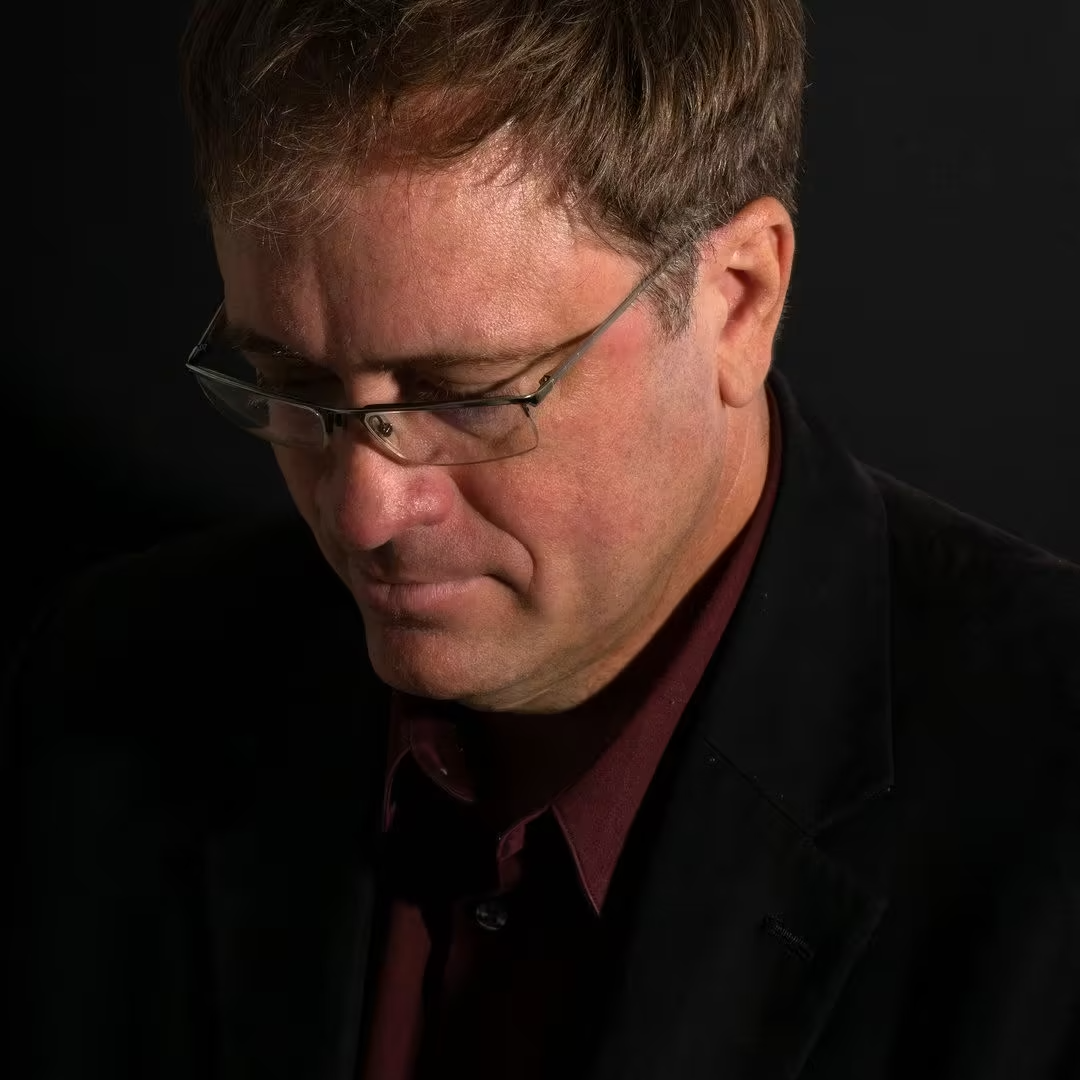
Steven James is a critically acclaimed author of 22 novels and numerous nonfiction books that have won or been shortlisted for dozens of national and international awards. In addition, his stories and articles have appeared in more than eighty different publications, including the New York Times. He is also a popular keynote speaker and professional storyteller with a master’s degree in storytelling who is in high demand as a seminar instructor at writing conferences nationwide.
Since 1996, James has appeared more than two thousand times at events spanning the globe, presenting his stories and teaching the principles of storytelling to writers, speakers, teachers, and leaders. He also hosts the weekly podcast The Story Blender, on which he has interviewed more than 200 of the world’s leading writers and storytellers. In 2020, he was inducted into the Christy Award Hall of Fame for excellence in fiction writing. Publishers Weekly has called him “[a] master storyteller at the peak of his game.”
When he’s not writing or speaking, you may find him playing basketball or disc golf, or hiking near his home in the Appalachian Highlands of East Tennessee. He may or may not watch too many science fiction movies while eating bottomless bowls of chips and salsa.
Steven is not only a deft craftsman of compelling fiction, but he’s also a gifted communicator audiences love to hear and learn from.
Jerry B. Jenkins, international bestselling author
Steven is one of the best writing teachers I know. When we started Master CraftFest, Steven was our first choice to be an instructor.
Steve Berry, NYT bestselling author
Steven is both a deep thinker about story and someone who can make amorphous concepts as easy to understand as an Aesop fable.
Donald Maass, literary agent and fiction instructor
Event Attendance & Anti-Harassment Policy
We strive to provide an environment where all present—whether attendee, presenter, or staff—can feel supported. In order to ensure a welcoming event, here is what we expect from all who participate.
- That the presenter and the presenter’s work be treated with respect by attendees and that all attendees treat each other with respect and a generosity of spirit.
- That attendees will refrain from harassment of any sort including (but not limited to) comments or questions of a racist, homophobic, sexist/sexual, or threatening nature. This includes actions that disrupt or interfere with anyone’s ability to participate. Offenders will be disconnected from the live event.