
ONLINE CLASS
Mastering Voice in Fiction
Tap into the storytelling power of author voice, narrative voice, and character voice
INSTRUCTOR
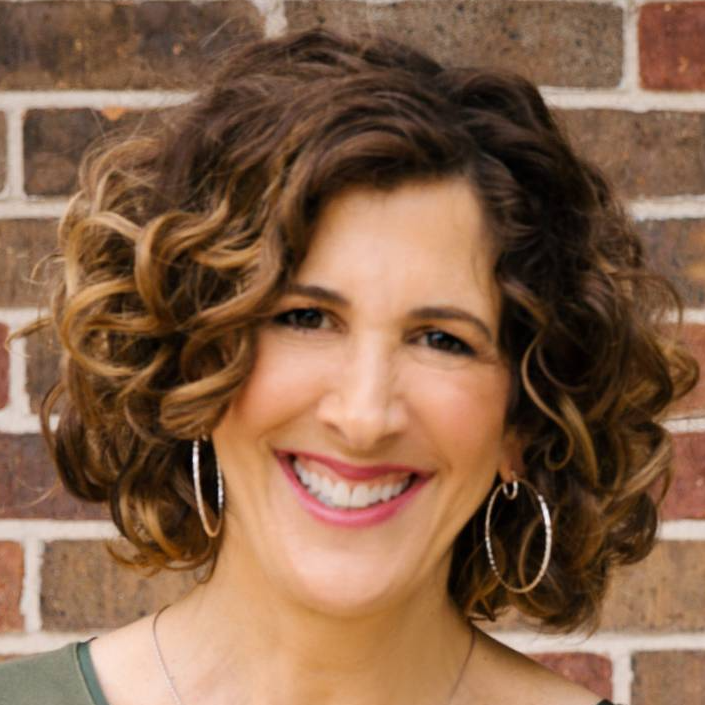
Tiffany Yates Martin
DATE
Live on October 8, 2025, at 1:00–2:30 p.m. EDT, or watch recording
IDEAL FOR
Beginning to intermediate fiction writers
ACCESSIBILITY
Closed captions by Zoom; transcript provided with recording
There is no secret sauce in this business, but one element of storytelling craft may be as close to it as you can get: voice.
In today’s competitive and subjective publishing market, voice is among the most important elements of story. It’s what makes your work stand out from the crowd. But voice can also be the most elusive quality. And what makes it even more challenging is that voice in fiction refers to three distinct areas of writing: author voice, narrative voice, and character voice.
In this course we’ll explore the key components of each: how to convey them effectively on the page, how they overlap and diverge, and how to use all three to create a story that connects, resonates, and lingers.
- Author voice: You’ll learn that author voice isn’t something you create—it’s something you free. It’s already a part of you, and this course will help you recognize, define, and refine yours. We’ll explore how your unique perspective, personality, and background shape your authorial fingerprint, and how to infuse it into your story without letting it take over or draw focus.
- Narrative voice: We’ll examine how the narrative voice sets tone and intimacy, and how to determine what narrative perspective might most effectively serve your story.
- Character voice: We’ll discuss how to consider and deeply develop each of your characters to make them sound real and distinctive and breathe life and dimension into your scenes.
Voice signals we’re in capable hands, and it creates books that feel fresh and unique. With plenty of instructive examples, you’ll learn to tap into the power of authentic voice on every level. A practical exploration of an amorphous and hard-to-pin-down concept, this class will help you give your story that added element that sets it apart, whether you’re just starting out or revising your tenth manuscript.
You will learn:
- What voice is and isn’t
- A clear understanding of the differences between authorial, narrative, and character voice
- The main components of voice and practical techniques to apply them to your writing
- Tools to uncover and embrace your authentic authorial voice—and how to allow it into your stories without it muddying, taking over, or pulling focus
- How to determine the right narrative perspective and voice to serve the story, effect your vision for it, and draw your readers deeply in
- How to reflect who your characters are through voice, and ensure each one is distinct and cohesive
- How voice influences and is affected by POV, verb tense, inner life, and genre
- Maintaining voice while incorporating feedback and critique
- A deeper confidence in what makes your storytelling unique and meaningful
Who this class is for
This course is primarily focused on adult fiction writing and will center on examples from fiction, but memoirists may also find it useful. It is especially geared for:
- Writers who want to deepen their writing and storytelling with a stronger grasp of voice
- Writers who want a clearer understanding of the three types of voice in fiction, and how each serves the story
- Authors who struggle with finding their author voice or differentiating it from narrative/character voice
- Authors wondering what narrative voice is right for them and their story, and how to decide
- Authors who want to experiment with different types of voice—narrative, character, and author
Who this class may not be suited for
- The class may not apply to some children’s work, especially picture books.
Is this class for memoirists and narrative nonfiction writers?
We welcome memoirists and narrative nonfiction writers to attend, as the storytelling lessons and principles in this class apply to you as well. However, this class will focus on fiction examples and the craft of fiction. It will also assume familiarity with fiction craft and technique. As long as you’re comfortable taking a class that isn’t geared primarily for memoirists, and you believe novel writing principles are often the same as memoir writing principles, we hope you’ll register.
What you get in all classes hosted by Jane

Recording & transcript
You can attend live or wait for the recording. We prioritize accessibility: you can watch or listen to class, enable closed captions, and keep the recording, transcript and slides for future reference.

All questions answered
We welcome your questions. If we can’t answer all questions live, they will be addressed in writing. All students receive a Q&A file with the recording.

Generous refund policy
Get a full refund upon request if you don’t receive the information you were hoping for. In after-class surveys, 99% of writers say their expectations were met or exceeded.
All classes are self-contained and never end with a sales pitch. Learn more about Jane’s mission for online classes.
How do I attend the live class?
This class uses Zoom webinar technology (see system requirements). You will join through your Internet-connected computer or mobile device. When you register, you will receive information via email on how to join the class. If you don’t receive it within 1 hour of registering, please contact us.
- When: Wednesday, October 8, 2025
- Time: 1:00–2:30 p.m. Eastern / 10:00 a.m. Pacific
- Fee: $25
The webinar is broadcast via the internet with live audio delivered through your computer or mobile device speakers. The visual presentation is displayed directly from the presenter’s computer to your computer screen. The Q&A is managed through a chat-style submission system with questions read and answered by the presenter for the entire class to hear.
Closed captions are provided during the live class. We use Zoom’s automated closed caption service, which is about 80%+ accurate. We use Adobe Premiere to generate a lightly edited transcript, provided with the recording.
About the instructor
Tiffany Yates Martin has spent her entire career as an editor in the publishing industry, working with major publishers and New York Times, Washington Post, Wall Street Journal, and USA Today bestselling and award-winning authors as well as indie and newer writers. She is the founder of FoxPrint Editorial (named one of Writer’s Digest’s Best Websites for Authors) and author of Intuitive Editing: A Creative and Practical Guide to Revising Your Writing and her latest, The Intuitive Author: How to Grow & Sustain a Happier Writing Career. She is a regular contributor to writers’ outlets like Writer’s Digest, Jane Friedman, and Writer Unboxed, and a frequent presenter and keynote speaker for writers’ organizations around the country. Under her pen name, Phoebe Fox, she is the author of six novels.
At this point, I’ve taken so many of your classes that I should be categorized as a groupie! Thanks for teaching these classes. I consider all of your courses to be deep dives into technique. They have all helped my writing tremendously. Previously, I was trying to figure out this exact kind of stuff myself.
Barbara O.
I think I’ve done three or four classes with you so far and they’re always jam-packed with insights and aha moments.
Leyl B.
I’ve taken so many of your classes that I’ve honestly lost count of how much I’ve learned from you (POV, flashbacks, scene construction, etc). I’ve also always appreciated your no-nonsense expertise and the candor you demonstrate when you teach.
Elizabeth O.
All students receive the following
- Access to the live class. After roughly 75 minutes, the instructor will take questions during class using in-class chat/text. The class will end after roughly 90 minutes.
- A recording of the class—audio and video. This is especially helpful if you have a conflict with the class time or something comes up and you can’t make the session. Each registration comes with access to the archived version of the program and the materials for 30 days. You do not have to attend the live event to access the recordings.
- Presentation slides. All participants receive a copy of the slide presentation in PDF form.
- Rough transcript. We use Adobe Premiere to create an automated transcript of the entire webinar, which is lightly edited for you.
- Exercises for identifying, defining, and developing all three types of voice: authorial, narrative, and character
Event Attendance & Anti-Harassment Policy
We strive to provide an environment where all present—whether attendee, presenter, or staff—can feel supported. In order to ensure a welcoming event, here is what we expect from all who participate.
- That the presenter and the presenter’s work be treated with respect by attendees and that all attendees treat each other with respect and a generosity of spirit.
- That attendees will refrain from harassment of any sort including (but not limited to) comments or questions of a racist, homophobic, sexist/sexual, or threatening nature. This includes actions that disrupt or interfere with anyone’s ability to participate. Offenders will be disconnected from the live event.