

ONLINE CLASS
Mastering Trauma Scenes to Improve Your Memoir
Determine which scenes to include and the details that matter
INSTRUCTOR
Lisa Cooper Ellison
DATE & TIME
Live on Wednesday, October 16, 2024 at 1 p.m. EDT (or wait for the recording)
IDEAL FOR
Memoirists writing about challenging events
ACCESSIBILITY
Closed captions by Zoom; transcript provided with recording
In memoir, every scene should move your story forward. But it can be difficult to figure out which scenes belong, let alone how to frame them, when life’s been complicated. The challenge grows exponentially when writing memoirs that involve trauma, tragic loss, violence, abuse, natural disaster, alienation, war, and other tough topics.
There are several reasons why this happens:
- Highly emotional experiences feel significant to our stories.
- When writing about them, our nervous systems relive them. This can drop some writers into a trauma vortex where they include every gory detail because their brains are either hijacked or unable to decide what’s important. Others might revert to surface-level telling as they emotionally check out.
- New writers, writers lacking emotional distance from their experiences, and those with PTSD and CPTSD, can confuse high-intensity writing with ratcheting up the story’s dramatic tension.
Stories packed with trauma scenes can overwhelm the reader. Even if this doesn’t happen, intense material that’s improperly constructed can bog down your story or take away from your memoir’s main point.
To solve this problem, you need to understand what scenes are, how their placement in your story impacts them, and how to identify the details that both hook the reader and drive your story forward.
During this 90-minute webinar, you’ll:
- Discover the difference between trauma, crisis, and rising action
- Explore the anatomy of a scene
- Learn how a scene’s position in your book determines which details matter
- Find out how to slant your scenes so they propel your story forward
- Determine when to map and when to write your scene’s first draft
- Examine some best-in-class examples
- Gain insights and tips from published writers who’ve done this well
Who should take this class
- Writers new to memoir
- Writers who are trauma survivors
- Memoirists navigating emotionally dark or difficult stories
- Memoirists working through the messy middle of the writing process
- Memoirists who struggle to understand what to show and when to show it
- Writing instructors who teach memoir
- Coaches and editors who regularly work with memoirists
This class might not be suited for
- Memoirists working on lighter material
- Fiction writers
- Humor writers
What you get in all classes hosted by Jane

Recording & transcript
You can attend live or wait for the recording. We prioritize accessibility: you can watch or listen to class, enable closed captions, and keep the recording, transcript and slides for future reference.

All questions answered
We welcome your questions. If we can’t answer all questions live, they will be addressed in writing. All students receive a Q&A file with the recording.

Generous refund policy
Get a full refund upon request if you don’t receive the information you were hoping for. In after-class surveys, 99% of writers say their expectations were met or exceeded.
All classes are self-contained and never end with a sales pitch. Learn more about Jane’s mission for online classes.
How do I attend the live class?
This class uses Zoom webinar technology (see system requirements). You will join through your Internet-connected computer or mobile device. When you register, you will receive information via email on how to join the class. If you don’t receive it within 1 hour of registering, please contact us.
- When: Wednesday, October 16, 2024
- Time: 1:00 p.m. – 2:30 p.m. Eastern / 10:00 a.m. Pacific
- Registration fee: $25
The webinar is broadcast via the internet with live audio delivered through your computer or mobile device speakers. The visual presentation is displayed directly from the presenter’s computer to your computer screen. The Q&A is managed through a chat-style submission system with questions read and answered by the presenter for the entire class to hear.
Closed captions are provided during the live and recorded class. We use Zoom’s automated closed caption service, which is about 80%+ accurate. We use Adobe Premiere to generate a lightly edited transcript, provided with the recording.
About the instructor
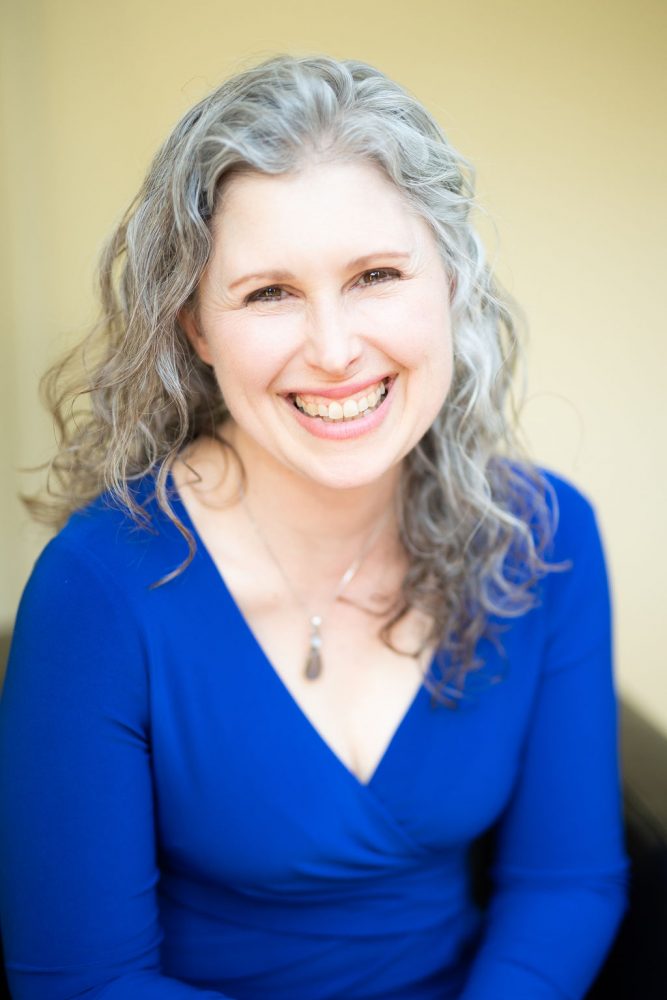
Lisa Cooper Ellison is an author, speaker, trauma-informed writing coach, and host of the Writing Your Resilience Podcast. She’s spent the last two decades helping clients and students turn difficult experiences into art and teaches courses in memoir, the psychology of writing, and the book proposal. Lisa won the 2022 HippoCamp edition of the Lancaster Story Slam. Her essays have appeared in the New York Times, HuffPost, Hippocampus Literary Magazine, and Kenyon Review Online, among others.
Testimonials
Thank you, Lisa, for all the contextual work you put into your workshop. It is helping me to determine exactly where I am in my writing and book journey, where I need to go, and what it takes to get there. I view your work as a great help in minimizing the degree of confusion and anxiety I could otherwise put myself through.
Anthony Williams
This has been immensely informative, reassuring, and valuable to me. Most important of all is the knowledge I’ve gained that I am not unique in my struggles to make sense of my experiences, nor in my years-long struggle. You have given me the tools, the encouragement, and a way forward to keep at it.
Deborah Miller
Truly thorough, sensitive, generous and specific information. It was affirming of obstacles showing up in the creative process, which before seemed like “faults” or “barriers,” and are now understandable. Thank you so much.
Katherine Mapother
All students receive the following
- Access to live class. After roughly 75 minutes, the instructor will take questions during class using in-class chat/text. The class will end after roughly 90 minutes.
- A recording of the class—audio and video. This is especially helpful if you have a conflict with the class time or something comes up and you can’t make the session. Each registration comes with access to the archived version of the program and the materials for 30 days. You do not have to attend the live event to access the recordings.
- Presentation slides. All participants receive a copy of the slide presentation in PDF form.
- Rough transcript. We use AI to create an automated transcript of the entire webinar, which is lightly edited for you.
Event Attendance & Anti-Harassment Policy
We strive to provide an environment where all present—whether attendee, presenter, or staff—can feel supported. In order to ensure a welcoming event, here is what we expect from all who participate.
- That the presenter and the presenter’s work be treated with respect by attendees and that all attendees treat each other with respect and a generosity of spirit.
- That attendees will refrain from harassment of any sort including (but not limited to) comments or questions of a racist, homophobic, sexist/sexual, or threatening nature. This includes actions that disrupt or interfere with anyone’s ability to participate. Offenders will be disconnected from the live event.