
ONLINE CLASS
How to Research and Write a Powerful Book Proposal
A 10-step action plan for preparing a proposal that lands a book deal
INSTRUCTOR
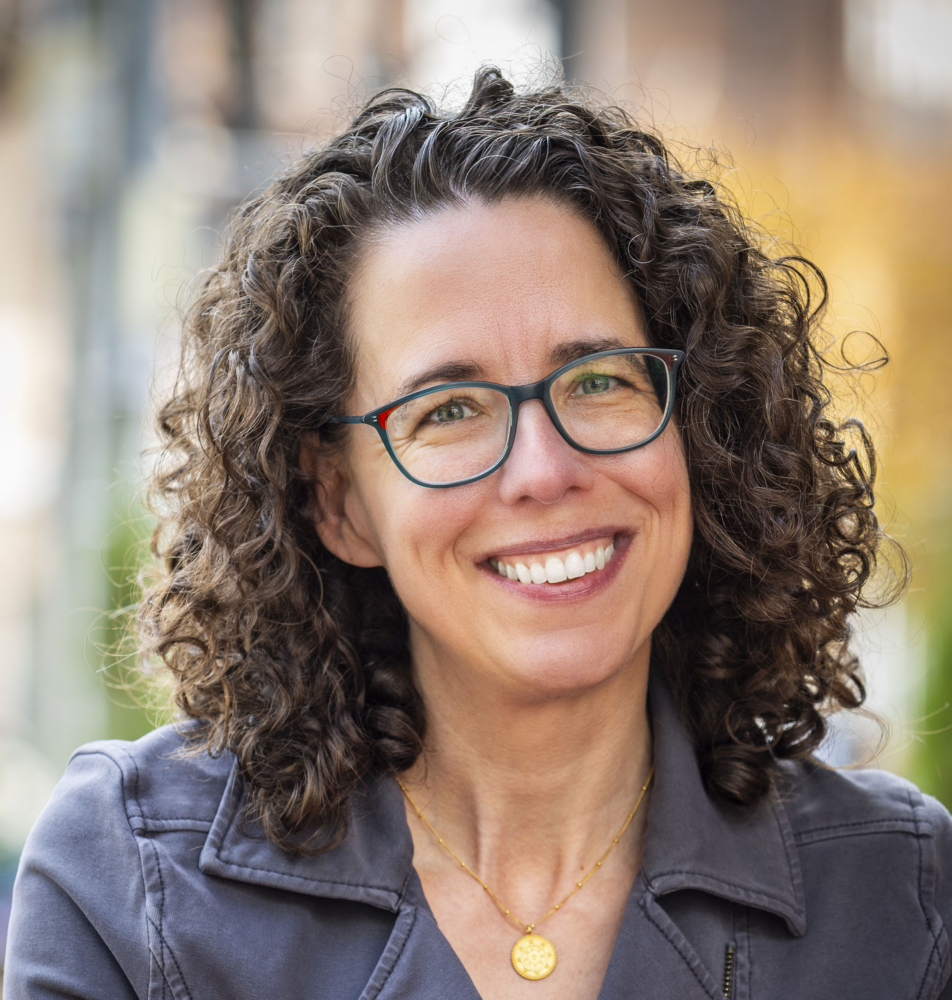
Jane Friedman
DATE
Live on Feb. 21–22, 2026, at 1–3 p.m. EST, or watch recording
IDEAL FOR
Anyone preparing their first book proposal
ACCESSIBILITY
Closed captions by Zoom; transcript provided with recording
This is a comprehensive, two-day class that teaches you how to write a compelling nonfiction book proposal, particularly in the digital era of authorship.
A nonfiction book proposal is a required document for landing a traditional book publishing deal. It serves as a business plan for your book that proves to an agent or editor why your book will be successful when published.
It is more challenging than ever to successfully pitch a nonfiction book; publishers expect authors to come to the table with a platform—that means visibility to your readership—as well as a marketing plan for the book. Many times, writers lack the experience and industry know-how that would help them show off their expertise, experience, or market value in a way that’s convincing.
Sometimes, writers need to work on their platform before pitching their book. This course directly addresses the platform issue and provides insight into how to build a platform that’s convincing to a publisher. (Warning: Platform building is a career-long effort, not something you’ll develop overnight or in a few weeks.)
What it means to write an effective book proposal
A strong book proposal will not only help you sell your idea, but it will also help you sell the book when it finally makes its way to market, whether you traditionally publish or self-publish.
A thorough book proposal evaluates the audience for the work, how it will stack up against the competition, and why the book will succeed in the marketplace. A solid plan requires research and a thorough understanding of your readership. By developing a full proposal, you’ll gain a clear and compelling view of what has a good chance of selling—an important step whether you want to find an agent, pitch a publisher, or self-publish.
If you plan to write the book first, and figure out the proposal later, reconsider your process. Most nonfiction books are signed on the basis of a proposal and a sample chapter or two. The publisher is often very involved in the development of the content. Writing the entire book before selling it might not only be a time-consuming test run, but you won’t have the insight and knowledge of how to produce a better book until you write the proposal. Many authors, after finishing the proposal, end up changing their angle, perspective, or narrative focus after better understanding what will sell in book form.
Does your nonfiction concept have what it takes to get the attention of an editor or agent? This class will teach you how to study the marketplace and evaluate other titles in your category, giving you an editor’s eye for what sells. You’ll learn to identify and persuasively present the most marketable qualities of your project, and build a book proposal that meets the requirements of the publishing industry. While there is no “right way” or formula for preparing a book proposal—just as there is no right way to write a book—this course will lead you through every required component as well as some optional ones.
Your greatest competition may not be a book—what then? For some categories of nonfiction, you not only need to research what’s on the bookshelf, you need to research websites, blogs, apps, and online communities that offer diverse information and services. This course will help you determine if your book idea should really be an online effort first, and how that can translate into a salable book later.
In this course, you will:
- Learn how to draft a book proposal. Some book proposals are only a dozen pages or so. Others might exceed fifty pages. I cover the essential elements regardless of length, including the overview, the target market analysis, the competitive title analysis, the author bio, the marketing plan, the chapter overview or summary, and the sample chapter.
- Follow a 10-step process to make writing a proposal more manageable. It can feel daunting to begin writing a book proposal. My class breaks it down into small, doable steps, until the full proposal comes together. Rather than having you start the proposal by writing the overview (which can be exceedingly difficult), I have you complete the easiest step first—which also happens to be the most valuable!
- Understand what goes into a meaningful marketing plan. Some authors’ marketing plans amount to vague action points that are unlikely to sell books, such as “get reviews” or “do book signings” or “promote the book on my website.” That doesn’t cut it. You need to learn how to quantify and express the power of your reach and visibility to your target market in a way that matters to publishers.
- Learn how publishing professionals research and evaluate ideas. I spent more than a decade at a publishing house that produced exclusively nonfiction titles. I evaluated thousands of proposals, and I also pitched my own ideas to the sales and marketing staff. I know how publishing professionals think about these documents and what information is meaningful to them.
Many times, writers have a difficult time seeing their work with a marketer’s eye. This course will help you not only adopt a business perspective on your current idea, but also better evaluate all of your future ideas. You’ll know if you’ve really tapped into current trends and interests when it comes to your book project, and if you’re framing it in an exciting way for either a publisher or a reader. Just because you’re fascinated by your subject doesn’t mean other people will get it. You have to know how to sell it.
Feedback opportunity: If you’re open to having any part of your proposal used as part of the presentation for constructive critique (Jane will be kind), you will receive a link to submit your proposal upon registration. Keep in mind your identity might be revealed—it will depend on what material is in your proposal (e.g., about the author and marketing plans typically identify the author). Keep in mind that only a handful of registrants will see their materials critiqued during this session, and it won’t be a formal or full critique. But it’ll still be useful. Jane will choose examples that illustrate key points and help all students.
Supplementary materials include:
- Worksheets. Several steps of the proposal writing process include a corresponding worksheet for you to complete.
- Book proposal template. I help you start with a perfectly formatted Word document that you can use for your own proposal, no guesswork required.
Who should take this class
- Anyone who has a concept or idea for a nonfiction book, even if you haven’t written a single word. Now is the time to start down the right path and avoid wasting your time on a project that won’t sell
- Anyone who has a partial or finished nonfiction book manuscript who is starting to consider the path to publication
- Those who are currently grappling with the book proposal writing process and need help
This class isn’t suited for
- Memoirists. This class will not include examples of memoir or offer guidance to memoirists. Non-celebrity memoirs often sell on the basis of the manuscript alone, and a proposal is not always needed. Memoirists who have a weak platform but decide to prepare a proposal may be set up for failure—a proposal is most likely to emphasize weaknesses. Anyone writing a memoir, hybrid memoir, memoir-in-essays, or experimental memoir should instead consider registering for the class on what it takes to sell your memoir that Jane’s teaching in partnership with Writer’s Digest on June 25, 2026 (registration coming soon).
How do I attend the live class?
This class uses Zoom webinar technology (see system requirements). You will join through your Internet-connected computer or mobile device. When you register, you will receive information via email on how to join the class. If you don’t receive it within 1 hour of registering, please contact us.
- When: Saturday and Sunday, Feb. 21–22, 2o26
- Time: 1:00–3:00 p.m. Eastern / 10:00 a.m. Pacific
- Fee: $99
The webinar is broadcasted via the internet with live audio delivered through your computer or mobile device speakers. The visual presentation is displayed directly from the presenter’s computer to your computer screen. The Q&A is managed through a chat-style submission system with questions read and answered by the presenter for the entire class to hear.
Closed captions are provided during the live class. We use Zoom’s automated closed caption service, which is about 80%+ accurate. We use ElevenLabs to generate a lightly edited transcript, provided with the recording.
Refund policy
If you attend the live class and/or watch the recording, and it does not meet your expectations, contact us for a full refund, no questions asked.

About the instructor
Jane Friedman has spent her entire career working in the book publishing industry. She spent 12 years working at F+W Media, where she evaluated and acquired hundreds of books based solely on the book proposal. She edited nonfiction books across many different categories, including reference, how-to, sports, self-help, fine art, crafts, graphic design, and humor. She also served as editor for How to Write a Book Proposal by Michael Larsen.
- Jane’s book, The Business of Being a Writer, Second Edition (The University of Chicago Press), is used as a classroom text by many writing and publishing degree programs. It received a starred review from Library Journal.
- Jane reaches thousands through speaking engagements and workshops at diverse venues worldwide, including NYU’s Advanced Publishing Institute, the AALA’s People of Publishing Conference, the Los Angeles Review of Books Publishing Workshop, Frankfurt Book Fair, the ECPA Leadership Summit, and numerous MFA programs.
- Jane has helped shape the next generation of publishing professionals through curriculum development at Southern New Hampshire University’s MFA program and faculty positions at the University of Virginia and University of Cincinnati.
I just wanted to express my gratitude for your website and your online course. Best money I ever spent. I crafted a proposal as you suggested. I signed with an agent and now have a publisher, New Harbinger. The book’s working title is Surviving Cancer.
David Palma
I took your book proposal course last summer and want to let you know that I’m sitting here right now reading a contract from an agent—all thanks to you!
Jane Perdue
Just wanted to share the good news that my book, Running with Raven, came out today from Kensington Press. Thanks for your guidance in getting me here.
All students receive the following
- Access to the live class. All students may attend the live event on Saturday and Sunday (2 hours per day).
- A recording of the class—audio and video. This is especially helpful if you have a conflict with the class time or something comes up and you can’t make the session. Each registration comes with access to the archived version of the program and the materials for one year. You do not have to attend the live event to access the recordings.
- Presentation slides. All participants receive a copy of the slide presentation in PDF form.
- Rough transcript. We use ElevenLabs to create an automated transcript of the entire webinar, which we’ll share with you in addition to the audio and video recording.
- Supplementary materials: book proposal worksheets, book proposal template
Event Attendance & Anti-Harassment Policy
We strive to provide an environment where all present—whether attendee, presenter, or staff—can feel supported. In order to ensure a welcoming event, here is what we expect from all who participate.
- That the presenter and the presenter’s work be treated with respect by attendees and that all attendees treat each other with respect and a generosity of spirit.
- That attendees will refrain from harassment of any sort including (but not limited to) comments or questions of a racist, homophobic, sexist/sexual, or threatening nature. This includes actions that disrupt or interfere with anyone’s ability to participate. Offenders will be disconnected from the live event.